News & Insights
Our Learnings
Keeping learning and insights at the center of our approach
Explore the latest from Mercy Corps Ventures: insights, stories, and updates from the frontlines of climate resilience, financial inclusion, and emerging market innovation. We share what’s working (and what’s not) so others can learn, adapt, and build better solutions that scale impact.
Investments
Featured
Across Latin America, post-harvest losses and crop disease drive significant food waste every year. Bio Natural Solutions is a Peruvian biotech turning agricultural waste into organic crop protection solutions, helping farmers cut losses and build more resilient food systems. Learn why Mercy Corps Ventures invested in this climate-smart biotech.
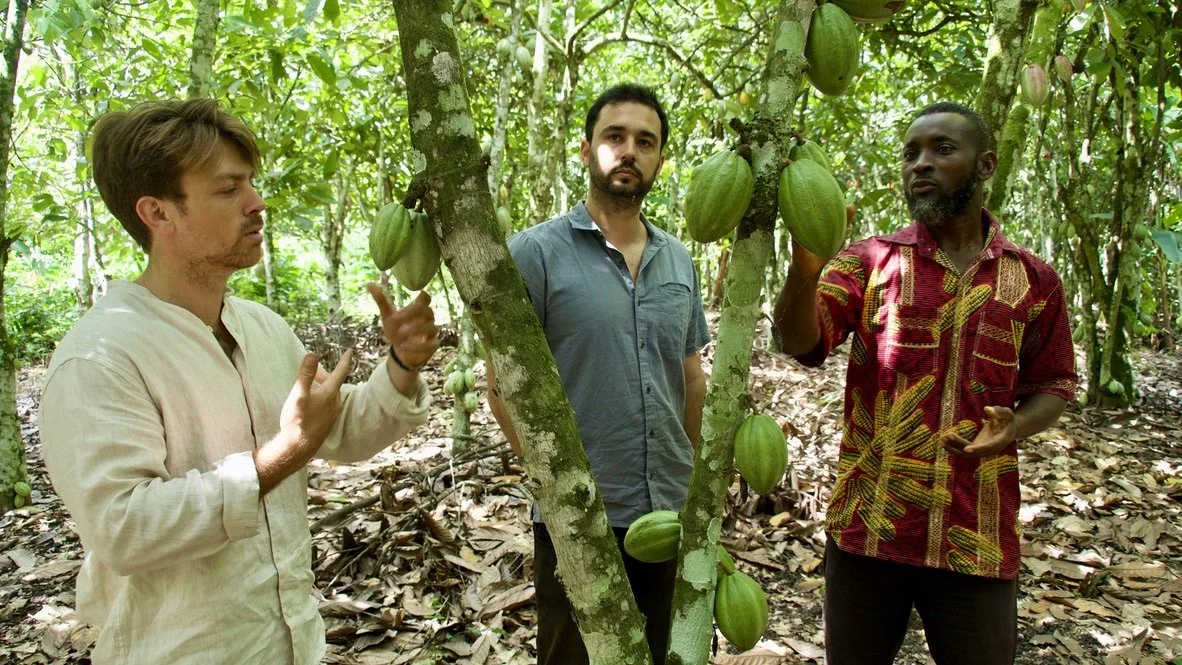
As cocoa supply chains face growing pressure from price volatility, opaque sourcing, and new regulations like the EU Deforestation Regulation (EUDR), brands need better ways to manage risk and accountability. Abeya is building an AI-powered platform that connects smallholder farmers in West Africa directly with global brands, strengthening compliance while ensuring more value flows back to producers through regenerative incentives and direct sourcing.
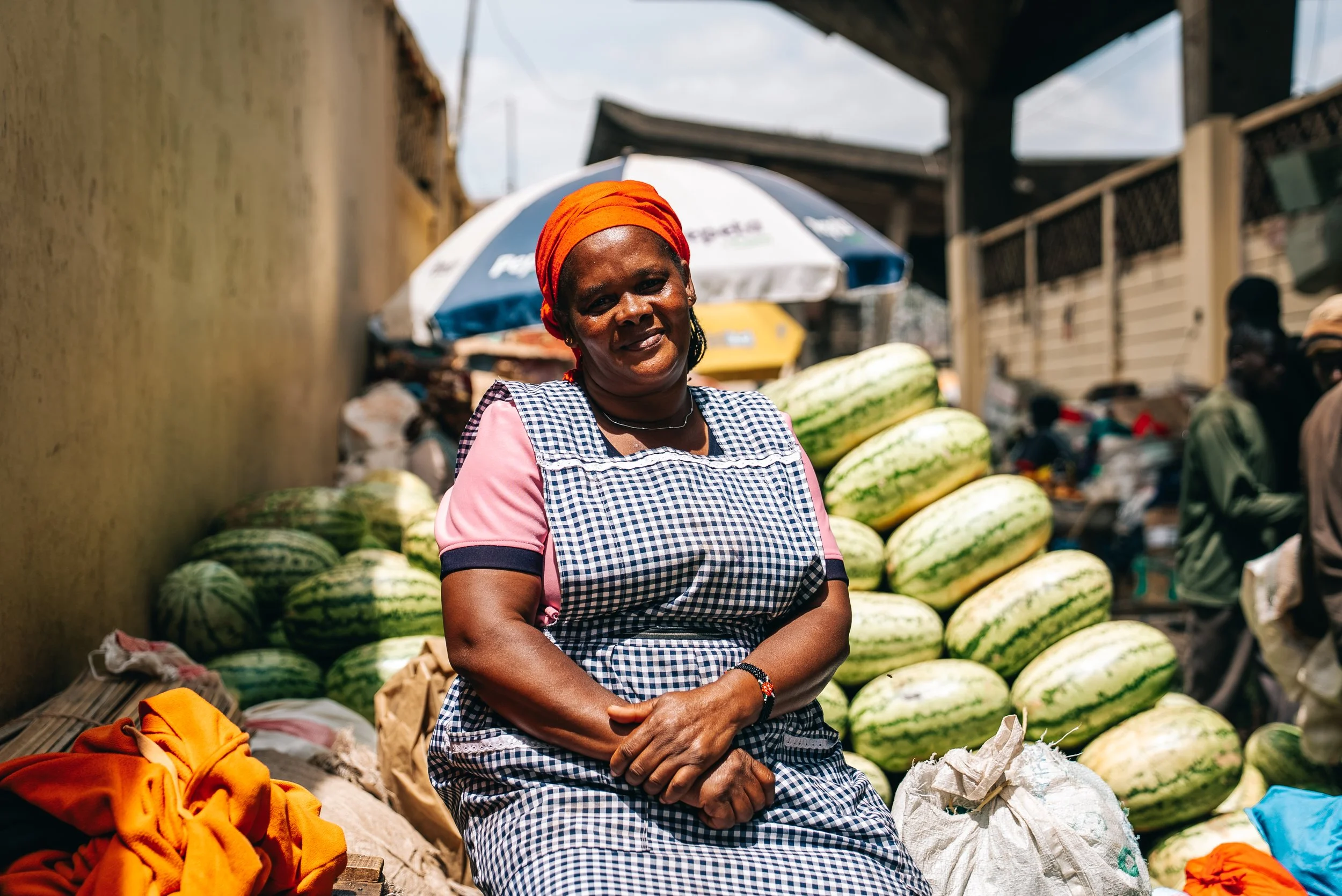
In Sub-Saharan Africa, massive amounts of edible food are wasted every year simply because they don’t meet visual standards. Farm to Feed is a women-led startup that turns this “imperfect” produce into valuable supply for commercial kitchens, helping farmers earn more while reducing climate impact. Learn why Mercy Corps Ventures is backing this innovative, climate-smart solution.
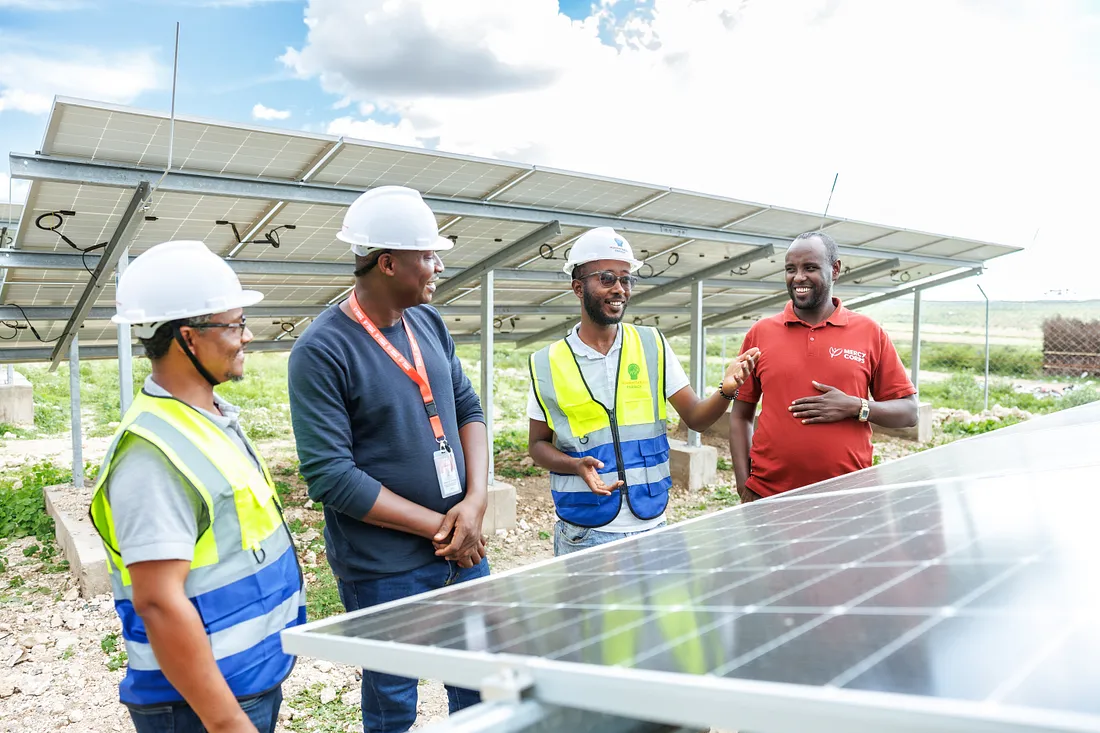
Mercy Corps Ventures invested in PowerLabs to accelerate access to clean, reliable energy in Nigeria. By transforming businesses into local solar power hubs, they reduce dependence on costly diesel, expand affordable energy to communities, and strengthen resilience against climate shocks.
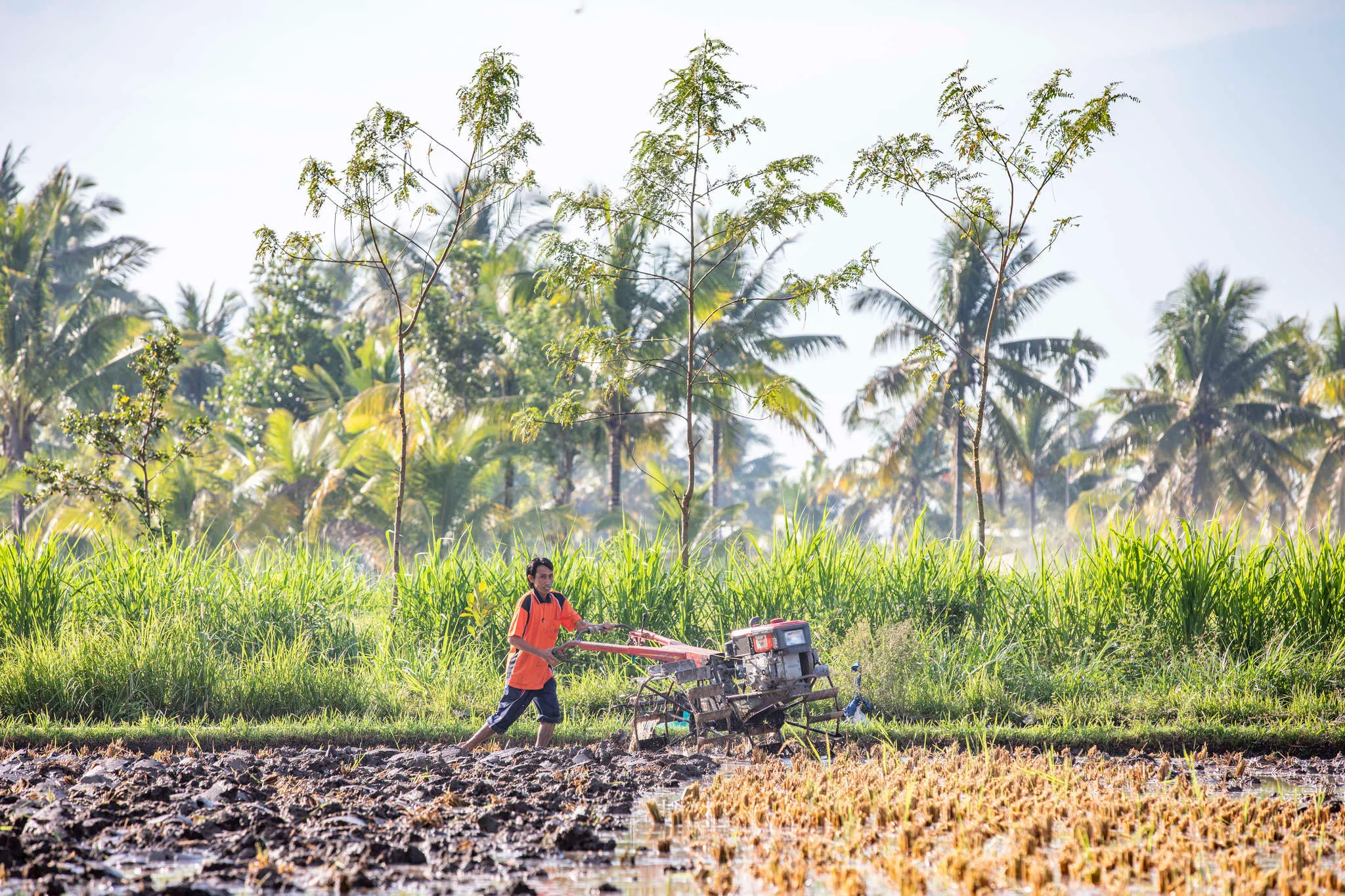
We invested in Poás Bioenergy to scale a circular model that turns agricultural waste into clean energy, biochar, and carbon credits. Their approach cuts emissions, supports smallholder farmers, and drives climate-positive value chains across Latin America.
MCV backed Blooms to help close Latin America’s $3B agricultural financing gap. By using AI-powered tools to unlock liquidity for exporters and smallholder farmers, they improve financial access, strengthen supply chains, and enable investment in climate resilience.
Pilots
Featured
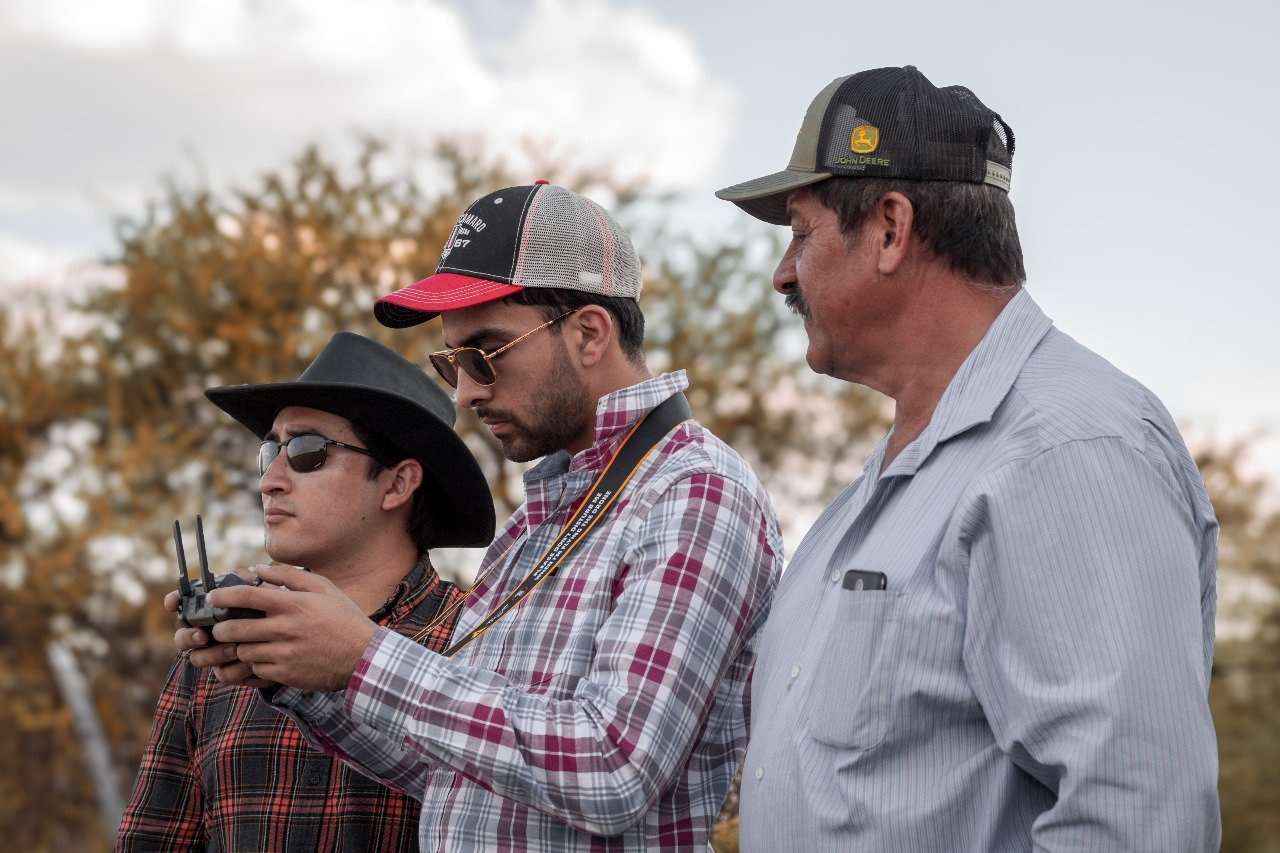
Mercy Corps Ventures, in partnership with Salicrop, is testing a non-GMO seed priming technology in Baja California to enhance tomato resilience under heat and saline stress, helping smallholder farmers improve yields and adapt to growing water scarcity.
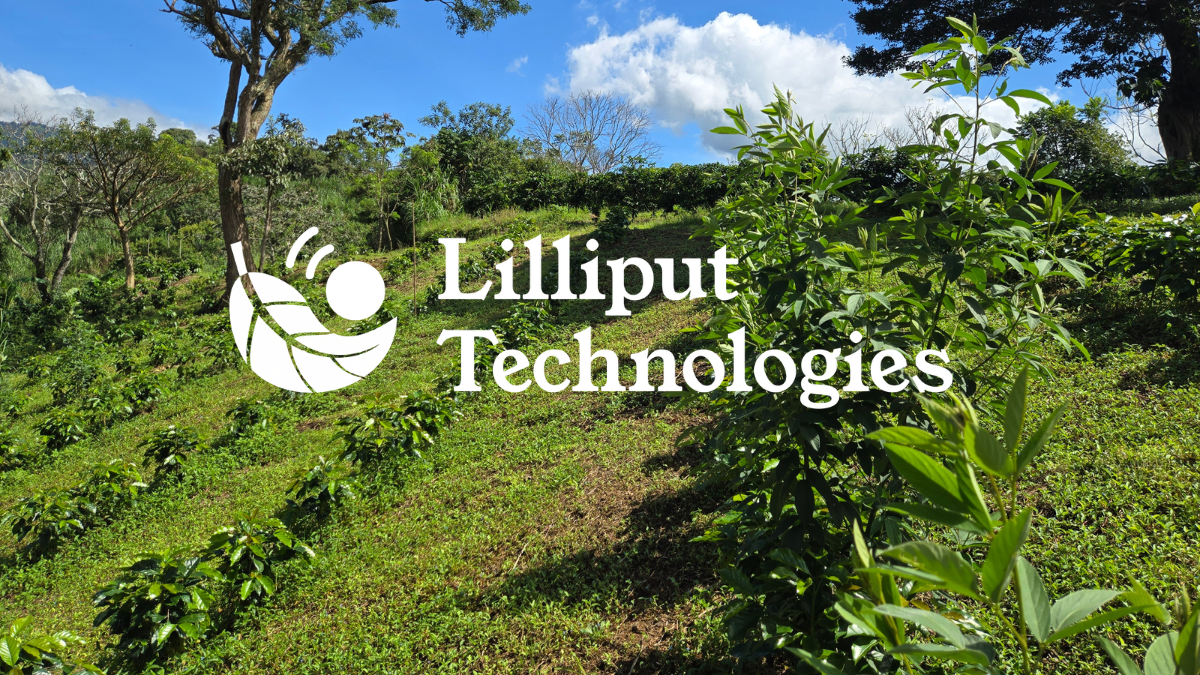
In partnership with Lilliput Technologies Ltd., this pilot tests biodegradable coatings to protect coffee seedlings in Costa Rica from heat and water stress, improving early plant survival and helping farmers strengthen climate-resilient coffee production systems.
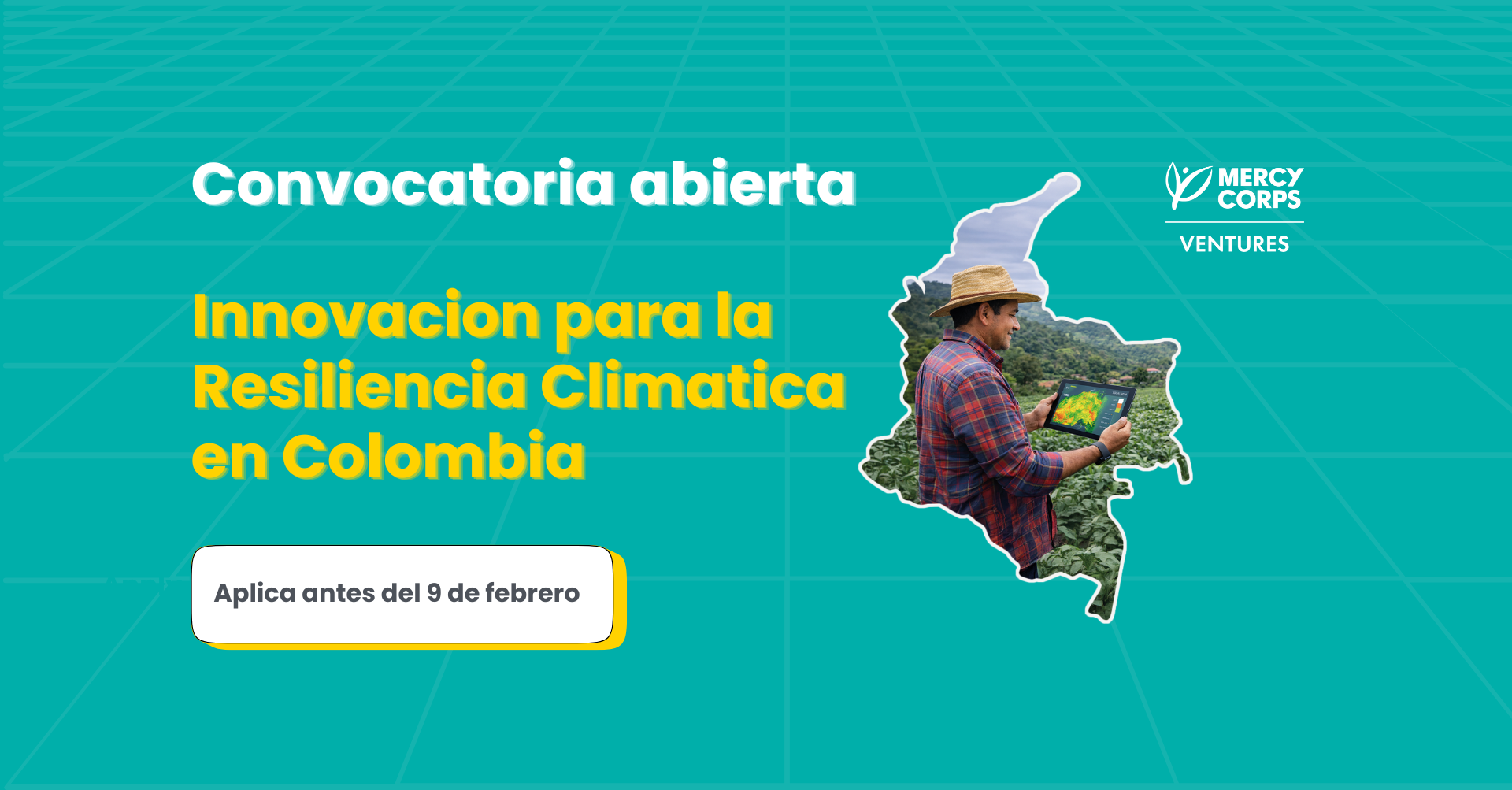
Esta convocatoria invita a startups en Colombia a desarrollar soluciones tecnológicas que ayuden a comunidades vulnerables a prepararse, adaptarse o recuperarse frente a impactos climáticos. Las iniciativas seleccionadas recibirán hasta USD 40.000 en financiamiento. Postula antes del 9 de febrero de 2026.
This call for proposals invites early-stage startups in Colombia to develop tech-enabled solutions that help vulnerable communities prepare for, adapt to, or recover from climate shocks. Selected ventures will receive up to $40,000 in equity-free funding, technical assistance, and access to Mercy Corps Ventures’ global partner and investor network. Apply by February 9, 2026
In partnership with Artifields, this pilot uses satellite and drone data to redesign rainfed fields in Mexico improving water retention, reducing runoff, and helping smallholder farmers build climate-resilient production systems.
In Cameroon, Mercy Corps Ventures and REasy piloted a stablecoin-based cross-border payment solution for micro-merchants. Reaching over 900 traders, the pilot enabled them to move more than US$5 million in inventory purchases from Asia while reducing transaction costs by 75%. Sixty-four percent of participants reported higher revenues, with nearly a quarter seeing profit increases above 20%. Results point to strong demand for faster, more affordable payment rails that can strengthen small business resilience amid climate and market shocks.
How did stablecoin based aid perform in one of the most challenging environments for humanitarian delivery? This endline report shares the results of a digital cash pilot in eastern Afghanistan, where families used offline cards linked to stablecoin wallets for the first time. It outlines what worked, including cost reductions, faster delivery, and strong user preference, along with key operational lessons, gender barriers, and what these findings mean for scaling digital payments in low connectivity and high risk settings.
In Kenya, Mercy Corps Ventures and Farm Star piloted a mobile-based solution delivering AI-powered weather forecasts and farming advice to smallholder farmers. Reaching 63 farmers—70% of them women—the pilot saw 80% reporting higher yields, with 97% applying the guidance received. Results point to strong demand and potential for scale, especially as 80% of participants lacked good alternatives.
This call for proposals invites early‑stage startups to join Mercy Corps Ventures’ Ventures Lab in tackling financial exclusion through AI. With up to $50,000 in equity‑free funding, we’re looking for solutions that expand access to credit, insurance, savings, and remittances for unbanked, climate‑vulnerable populations in Africa, Latin America, and Asia. Apply by December 1, 2025.
As climate-driven water challenges intensify, Mercy Corps Ventures launched a global call to fund tech solutions improving water efficiency, access, and infrastructure for vulnerable communities. We received 243 applications from 48 countries—uncovering powerful trends in innovation across AI, IoT, purification, smart irrigation, and more. This blog shares what we learned and where the most promising solutions are emerging.
In Ghana, Mercy Corps Ventures partnered with Haraka and Grameen Foundation to test blockchain-powered microloans for women’s savings groups. No apps, no crypto wallets, no collateral. The result? Faster, cheaper credit in local stablecoins helping over 500 borrowers — 90% of them women — grow businesses and build resilience.
Selected from 230+ applications in 50+ countries, OPAL for Floods will pilot in Senegal, using AI, satellite imagery, and smart contracts to help Thiès and Grand Dakar act before floods.
Insights
Featured
As global agriculture shifts toward sustainability, biologically derived inputs like biostimulants and biopesticides are emerging as powerful tools to boost yields, protect ecosystems, and support smallholder farmers. This blog explores the opportunities, challenges, and startup strategies shaping the next era of sustainable farming.
The GSR Foundation is backing Mercy Corps Ventures through Lido Impact Staking, unlocking a regenerative, crypto-native way to fund global development. This partnership enables capital to stay in ETH while directing staking rewards to support real-world solutions for underserved communities.
Mercy Corps Ventures has partnered with Lido Impact Staking to enable donors to support blockchain-based financial inclusion by staking Ethereum. This innovative model allows donors to allocate a portion of their staking rewards to the Crypto for Good Fund, which backs Web3 startups addressing financial inequality in emerging markets.
ImpactAssets’ IA 50 2025 highlights 165 top impact fund managers, showcasing the growth of impact investing and a rising focus on climate and social outcomes. It’s a key guide for aligning investments with measurable positive impact.
Want more content?
Join us in creating a climate-smart future.
We work alongside founders creating breakthrough climate solutions and funders who believe in a more resilient, equitable future.