
Why We Invested in BNS | Latin America’s next breakout biotech turning agricultural waste into crop protection
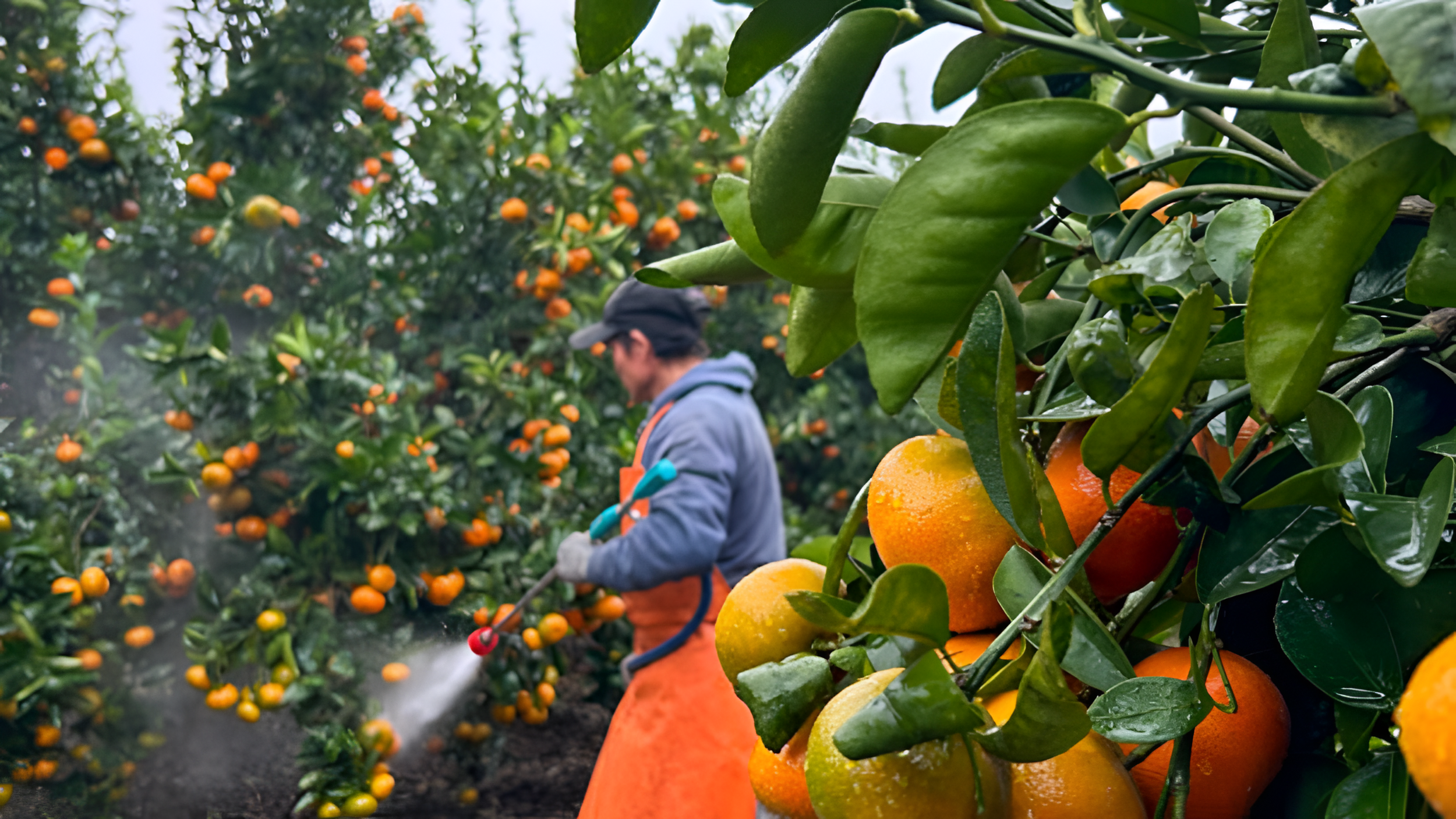
Validating organic solutions in the field for the control of Cladosporium in citrus in northern Peru.
The Market Need
Modern food production systems rely heavily on chemical inputs to ensure stable and high crop yields. Global pesticide and fertilizer use has continued to rise, driven by the intensification of agricultural practices to meet growing food demand and by climate change. Rising temperatures, changing precipitation patterns, and more frequent extreme weather events are increasing soil nutrient loss, soil erosion, as well as pest and disease pressures across agriculture.
According to the Food and Agriculture Organization (FAO), global pesticide use reached approximately 3.7 million tonnes in 2023, representing a 14% increase over the past decade. Similarly, global use of fertilizers increased by 34% between 2002 and 2023. These trends are particularly pronounced in developing countries, where higher pest pressure and soil nutrient depletion drive increased use of chemical inputs.
While these inputs have supported agricultural productivity for decades, their excessive use has led to significant environmental and social consequences: soil degradation, harm to beneficial organisms, chemical residues on food, and increasing health risks for both farmers and consumers. At the same time, consumers are increasingly demanding healthier, residue-free, and sustainably produced food.
These challenges have led to stricter regulations that promote safer, more sustainable agricultural practices. For example, the European Union’s Farm to Fork Strategy targets for 2030 include a 50% reduction in pesticide use, a 20% reduction in fertilizer use, at least 25% of farmland under organic production, among others.
For fruit and vegetable producers in Latin America, export markets are a critical source of income, yet compliance with these strict import standards is becoming harder. These challenges are particularly strong in value chains dominated by small and mid-sized farmers — such as citrus, coffee, and berries— where many farmers are excluded from export markets due to compliance barriers. In addition, export supply chains often involve long transit times and extended storage, increasing the risk of spoilage and quality loss during transport. Globally, 13.2% of food is lost in the supply chain between post-harvest and retail stages, highlighting the need for post-harvest protection and shelf-life extension solutions.
Producers need sustainable solutions that protect crops and extend shelf life, without adding operational complexity or increasing costs. For these reasons, agriculture is accelerating the transition toward biological inputs.
The Solution
Biological inputs —products derived from natural sources that can protect crops, extend shelf life (reducing food waste), and minimize environmental and human health impacts— have emerged as one of the most promising frontiers in sustainable agriculture.
As we previously explored in our deep dive on biostimulants & biopesticides, biological inputs are shifting from alternative solutions to essential tools for modern agriculture. This transition is already visible in leading agricultural markets such as Brazil, where biological inputs are being adopted at scale, and is expected to accelerate globally. Market dynamics reinforce this momentum. The global bioinputs market was valued at USD 10.6 billion in 2021 and is projected to reach USD 18.5 billion by 2026.
However, many existing biological solutions struggle to match the efficacy, scalability, and affordability of conventional agrochemicals, limiting their adoption at scale. This is where Bio Natural Solutions stands out.
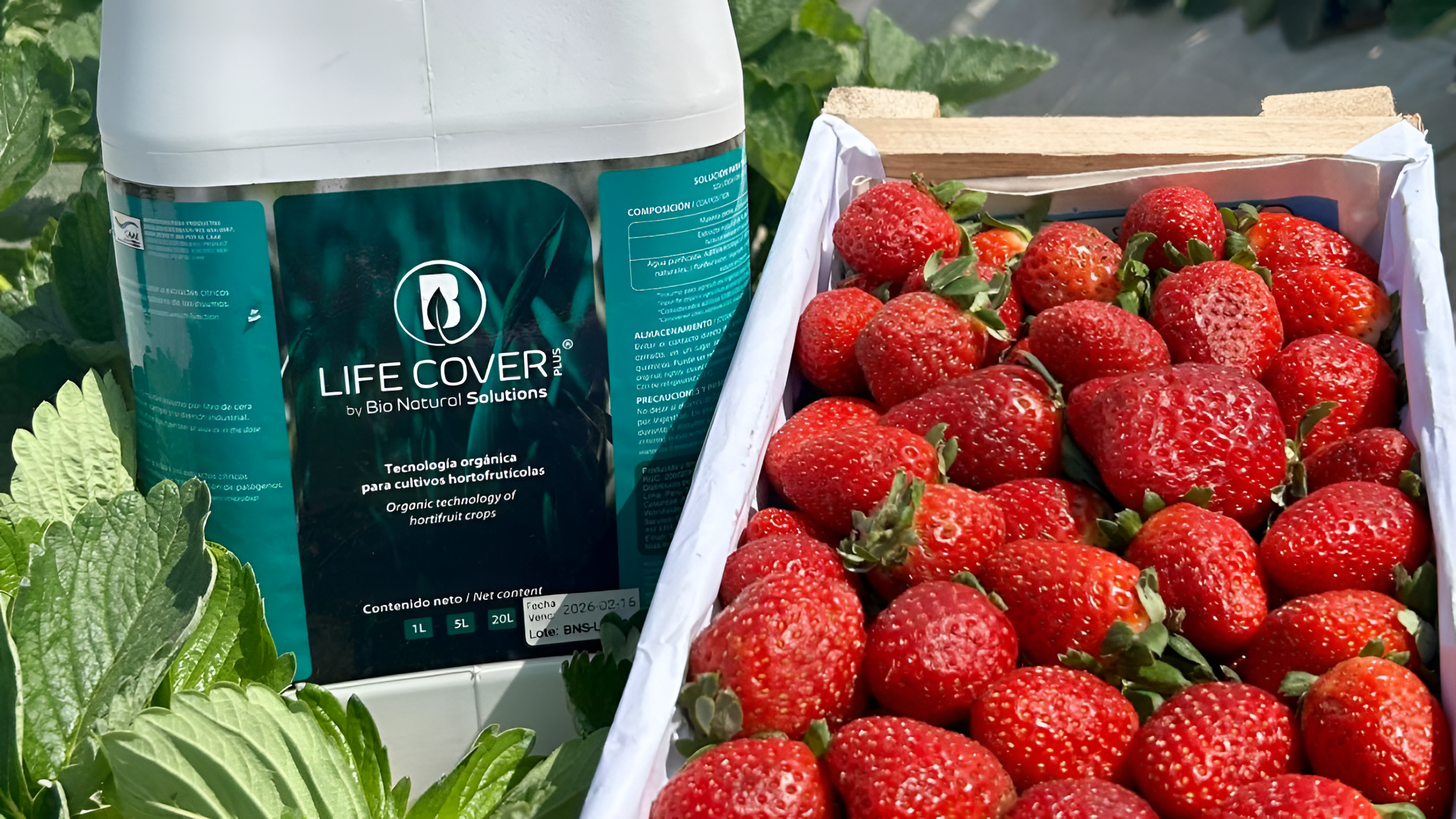
Bio Natural Solutions (“BNS”) is a Peruvian biotech company operating a circular economy model. Through a patented process, BNS transforms agricultural waste—such as peels and seeds—into antimicrobial and antioxidant extracts that are formulated into biological inputs for both pre- and post-harvest use.
BNS products help control fungal pathogens, extend shelf life, and reduce post-harvest losses, while remaining organic, residue-free, and safe for both farmers and consumers. These alternatives replace synthetic fungicides and petroleum-based waxes.
Demonstrated traction from an early-stage biotech startup
Biotech startups often require many years of R&D and regulatory work before reaching meaningful commercialization. In this context, BNS stands out for having already achieved strong commercial traction. The company reached breakeven in 2022 and has continued to grow organically since then, primarily through bootstrapped operations and grant funding. Today, BNS is generating revenue at levels that compare favorably with most biological input companies operating in Latin America, outside of a small number of more mature players in markets such as Brazil and Argentina. Strong unit economics and a growing base of repeat customers indicate clear product–market fit.
One of the most important aspects of BNS’ progress to date is its regulatory positioning, an area where many biological startups struggle for years before reaching commercialization. The company holds patents in more than a dozen countries and has secured regulatory and organic certifications that allow it to commercialize its products in more than 10 key markets globally, including Peru, Central America, Colombia, Mexico, Chile, the European Union, the U.K., the U.S., with additional approvals in Brazil and Ecuador expected in 2026. These markets represent a large share of global fruit and vegetable trade and some of the most demanding import destinations worldwide. This level of regulatory readiness is rare at this stage and positions BNS well for international expansion in a sector where long approval timelines often slow innovation and scale.
BNS is already actively serving leading global agrifood businesses in Peru and Colombia and plotting regional expansion on the back of a robust client and partnerships pipeline that is adding new distribution channels and accelerating their growth.
“At BNS, we believe the future of global agriculture doesn’t lie in using more agrochemicals, but in transforming waste through biotechnology and circular economy solutions that regenerate both crops and the planet.”
BNS’s impact extends beyond the upcycling of agricultural waste.
All BNS’ customers —produce exporters— source a significant portion of their supply from smallholder farmers, ranging from 20% to 100%. This means that adoption of BNS products indirectly benefits thousands of farmers across export-oriented value chains. Today, mango residues are sourced largely from small cooperatives in Piura, reaching an estimated 100 smallholder producers; avocado residues come primarily from small cooperatives in Ica, impacting around 60 producers; and citrus residues are sourced from Ica involving roughly 45 producers.
In addition, through its Farmers of the Future program, BNS works directly with smallholder farmers through training and technology transfer programs. Farmers participating in these initiatives have reported an approximately 40% reduction in post-harvest losses and an 8% increase in income, driven by better quality produce and lower rejection rates. For some farmers, switching to BNS products has also enabled access to export markets that were previously out of reach due to excessive chemical residues—unlocking higher prices and more stable demand.
Investment Rationale
Our investment in BNS aligns strongly with our Adaptive Agriculture and Food Systems thesis. BNS offers a clear solution to one of agriculture’s biggest challenges: maintaining productivity while reducing dependence on harmful chemical inputs. Through its circular model and close engagement with farmers, BNS strengthens resilience across agricultural value chains that include smallholder farmers.
We believe this combination of real market demand, proven traction, and a scalable distribution strategy, will allow BNS to deliver attractive commercial outcomes alongside measurable impact.
BNS is not the only biologicals company in town, however, here’s why they are poised to win:
BNS technology is already at TRL 9, generating real, recurring, revenues (+ breakeven).
Registered to sell in key global markets and already doing so in multiple markets with success, today.
Secured CapEx financing to increase production supply and revenues without needing to dip into equity for this.
Their post-harvest product is half the cost of comparable biological alternatives, while field trials show similar efficacy to conventional chemical inputs.
Strong performance at a compelling price point. During MCV’s due diligence, one of BNS’s customers—Peru’s largest citrus exporter—reported that BNS post-harvest product achieved efficacy comparable to chemical treatments and outperformed one of the most established biological shelf-life extension products on market, at a significantly lower cost.
The founding team, with roots in Peru, brings deep technical, commercial, and operational expertise, plus a strong understanding of local farmer realities —an important advantage in scaling biological solutions across Latin America, and globally.
Stay tuned for more updates on our portfolio here.