
Pilot Launch | Protecting Coffee Seedlings from Heat and Water Stress with Biodegradable Coatings in Costa Rica
Mercy Corps Ventures is partnering with Lilliput Technologies to pilot a first-of-a-kind sprayable biocoating that helps coffee seedlings stay cooler and conserve water without costly irrigation or shade structures. This innovation could offer smallholder farmers a low-cost, scalable way to adapt to climate extremes.
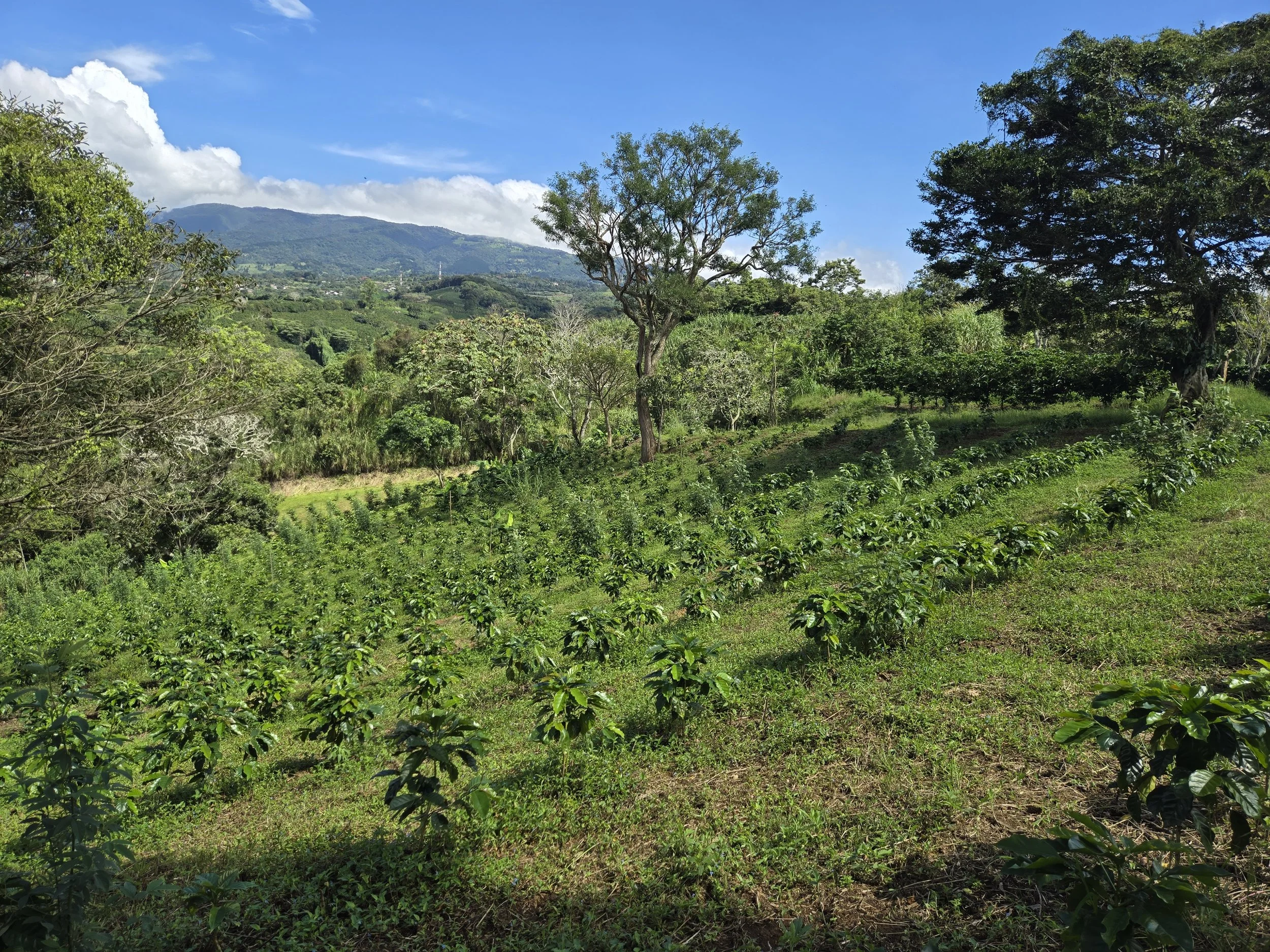
Coffee plantation and pilot testing site
In Brief
Why this is needed: Most smallholder farmers in Costa Rica and around the world rely on rain-fed systems. This, coupled with increased temperatures and prolonged droughts, stunt seedling growth, increased mortality rates, and threaten future yields.
Why is it important: Rising temperatures are threatening agricultural productivity and food security worldwide. Specifically, 50% of land under coffee cultivation, which is largely managed by small farmers, will be unsuitable by 2050 if more efficient adaptation measures are not implemented soon.
What we’re testing: A biodegradable, spray-on coating that cools leaves by up to 10 °C and reduces water loss to help mitigate heat stress in young coffee plants, without blocking sunlight.
Where: Costa Rica. Scope: ~300 seedlings across 3 farms.
Why it matters: Offers a low‑cost, scalable alternative to irrigation or shade structures—particularly relevant for rainfed smallholders operating in water‑stressed regions.
What success looks like: Evidence of cooling efficacy, improved seedling survival, reduced operational costs (e.g., fewer seedlings to replace, less pumping), and positive farmer user experience.
The Problem
Climate change is creating a perfect storm for farmers in Costa Rica and across the tropics. Three issues stand out:
1. Heat stress and water scarcity in tropical crops
Temperatures are rising and dry seasons are getting longer. In coffee growing regions around the world average and peak temperatures are rising well beyond optimal ranges during the dry season, and in Costa Rica droughts linked to climate change and El Niño events have cut rainfall by up to 75% below normal in some years. These conditions cause leaves to overheat and plants to lose water faster than they can replace it—especially during early growth stages when seedlings are most fragile.
2. Economic vulnerability of smallholder farmers
Most coffee farms in Costa Rica—and around the world—are rain-fed, and 95% are smallholdings. This means most smallholder farmers rely entirely on rainfall. When seedlings fail due to heat or drought, they face high replanting costs and delayed income. Even a single poor season can push coffee farming families further into debt and poverty.
3. Limitations of existing solutions
Traditional fixes—like irrigation systems or shade structures—are expensive and often out of reach for small farms. Shade nets can also block sunlight, reducing crop growth. Farmers need affordable, easy-to-use solutions that protect plants without sacrificing productivity.
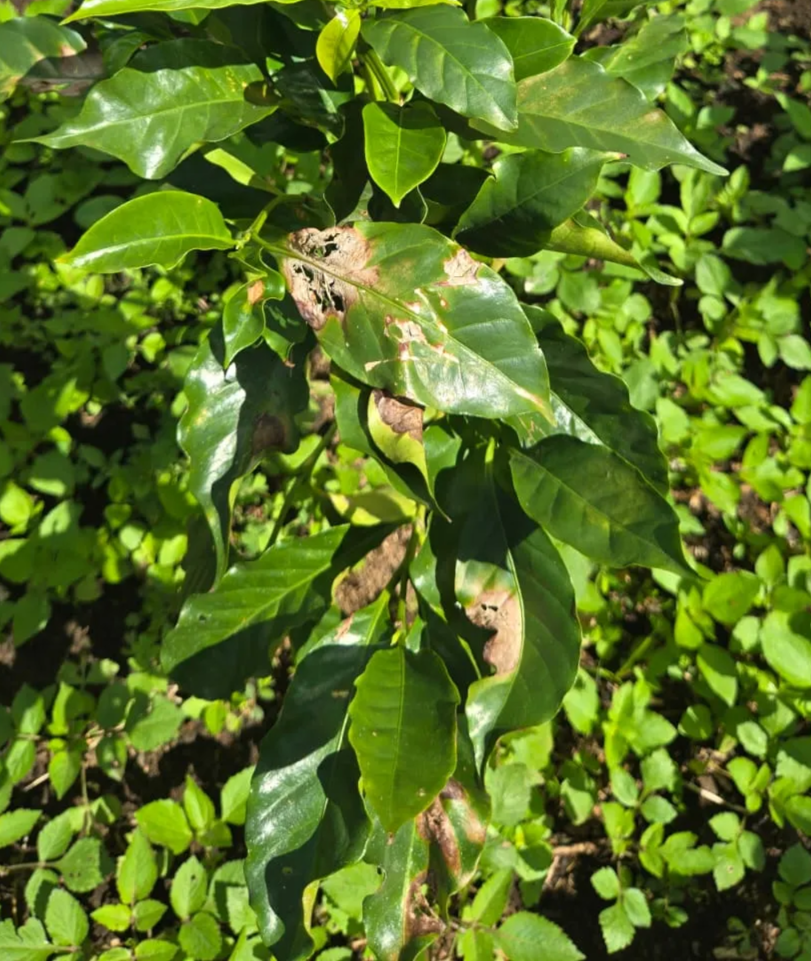
Young coffee plants show the impact of excessive heat and radiation.
The Pilot: What We’re Testing
To tackle these challenges, Mercy Corps Ventures is partnering with Lilliput Technologies to pilot a biodegradable coating in Costa Rica. This spray forms a thin layer on leaves, helping plants stay cooler and conserve water without blocking useful sunlight or requiring extra infrastructure.
Over the next year, Lilliput will apply the coating to ~300 coffee seedlings across 3 farms and track its impact during two critical phases: transplanting and flowering. Our goal is to see if this innovation can help farmers reduce losses and manage climate stress more effectively.
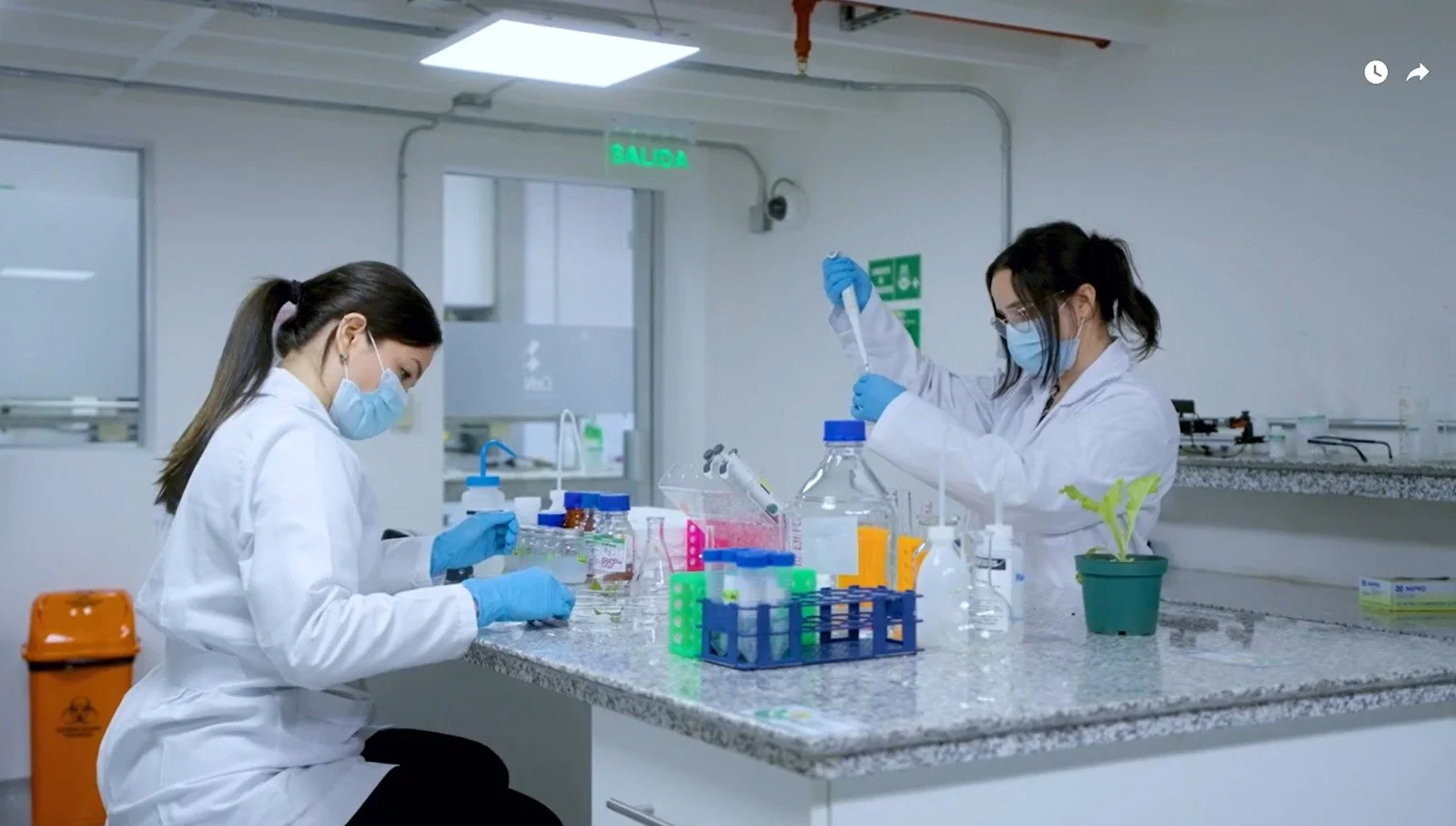
The Lilliput scientific team (Laura Chaves, CTO and Andrea Colina, R&D Scientific Lead) at work.
What We’re Learning
We’ve combined our pilot design and learning agenda into three big questions:
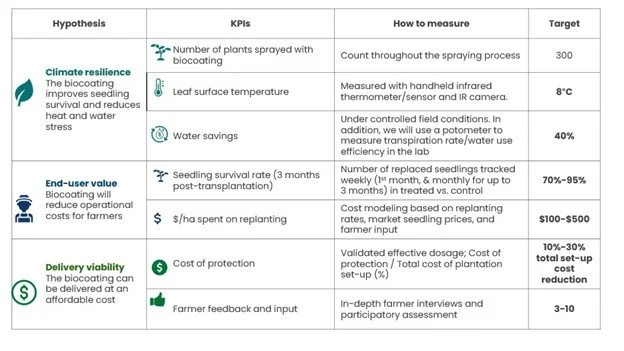
Does the biocoating improve climate resilience? We’ll measure changes in leaf surface temperature, water stress, and water use to see if plants stay cooler and healthier under heat.
Does it deliver value to farmers? We’ll track seedling survival rates, replanting costs, and growth progress to understand if this solution saves money and time.
Is it viable at scale? We’ll assess farmer satisfaction and cost per hectare to gauge whether this approach can be affordable and easy to adopt.
Founder’s Perspective
“Smallholder farmers are on the frontlines of climate change, and they need solutions that fit their reality—low-cost, easy to apply, and effective under extreme conditions. Our biocoating is designed to give farmers an appropriate tool to adapt to evolving climatic conditions without requiring additional infrastructure or operational complexity.” — Mauricio Herrera, Co-Founder, Lilliput Technologies
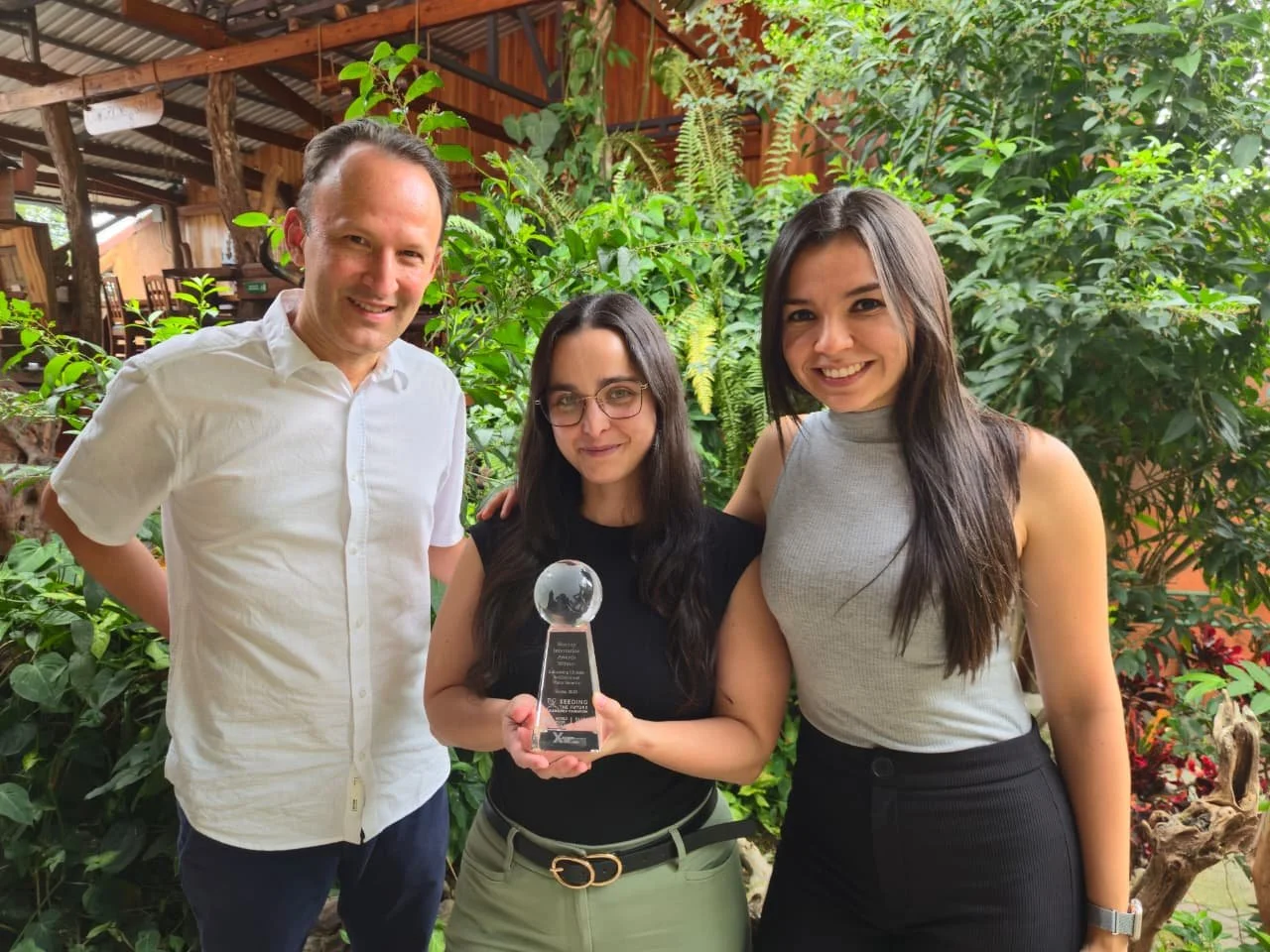
The Lilliput team showcasing the World Food Forum’s Award for Best Innovation in Climate Resilience and Water Security received last October at the FAO’s Headquarters in Rome.
Why This Matters
This pilot sits at the intersection of biologicals and adaptive agriculture: a first-of-a-kind approach to micro-climate protection that preserves light, reduces water demand, and scales with minimal infrastructure—aligned with smallholder realities across water-stressed regions. Lilliput Technologies is one of three selected partners from MCV’s Innovative Tech for Water Security call for proposals.
Through our Climate Venture Lab, we aim to build an evidence base for innovative solutions that can help farmers prepare, adapt, and respond to a changing climate. Mercy Corps Ventures works with startups to test breakthrough technologies in real-world conditions, validate their impact, and explore business models that make these solutions accessible to smallholder farmers in emerging markets.
By generating credible data and insights, we can inform the broader agricultural sector and key stakeholders—corporates, investors, and governments—on how new technologies can strengthen climate resilience. Our goal is to showcase what works, accelerate adoption, and unlock pathways for scale.