Humanitarian Lab
Venture Lab | Humanitarian Lab
305 million people need of humanitarian assistance, a figure that has doubled over the past 5 years. We believe innovative solutions can contribute to a more robust and effective aid sector.
Our Focus
Expand the innovation frontier for humanitarian aid with AI, risk analytics, blockchain, and more
Vehicles
We run open calls for proposals to democratize access to grant (non-dilutive) capital for entrepreneurs and startups.
Currently, there are no open calls available. Subscribe to our newsletter to be the first to hear about future funding opportunities.
The Anticipatory Action Accelerator supports tech-driven solutions—like AI, satellite data, and crypto rails—that enable aid to arrive before climate shocks. A new frontier for faster, fairer humanitarian response.
Ecosystem Insights
We aggregate and analyze all the data received in our calls for proposals, and publish (anonymized) ecosystem insights for the benefit of the startup community.
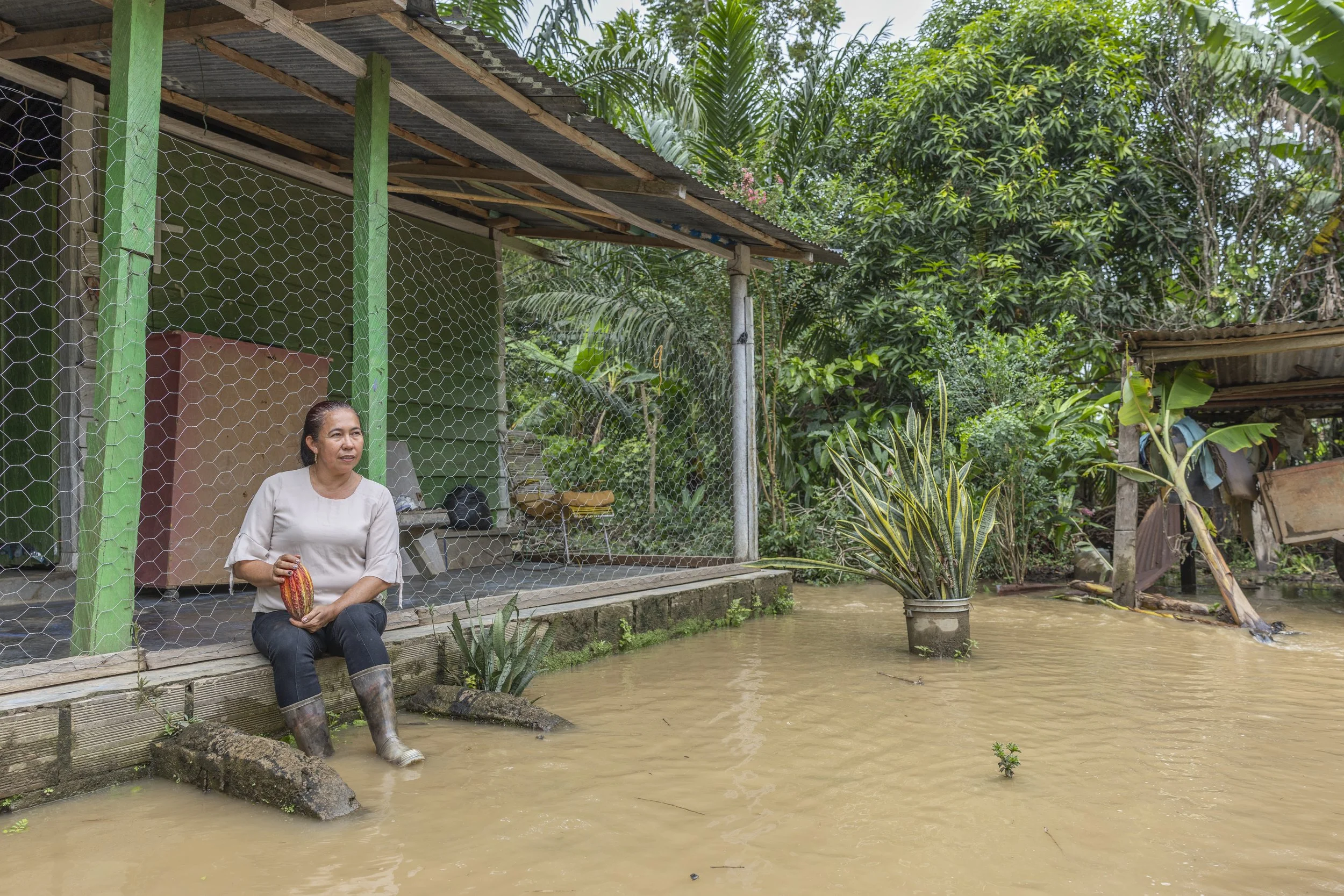
Emerging technologies are reshaping how humanitarian systems respond to climate shocks. From AI-powered forecasting to automated financing mechanisms, new tools are enabling faster, more proactive responses that help communities act before disasters strike. This piece explores how innovations like satellite data, predictive analytics, and digital infrastructure are advancing anticipatory action and transforming the future of humanitarian response.
Launches
Emerging from our open calls, we work with our pilot partners to co-create first-of-a-kind pilots. Our pilots aim to de-risk innovation and crowd-in new capital towards impact investing. We transparently share our pilot designs and learning agenda so you can follow along with the progress.
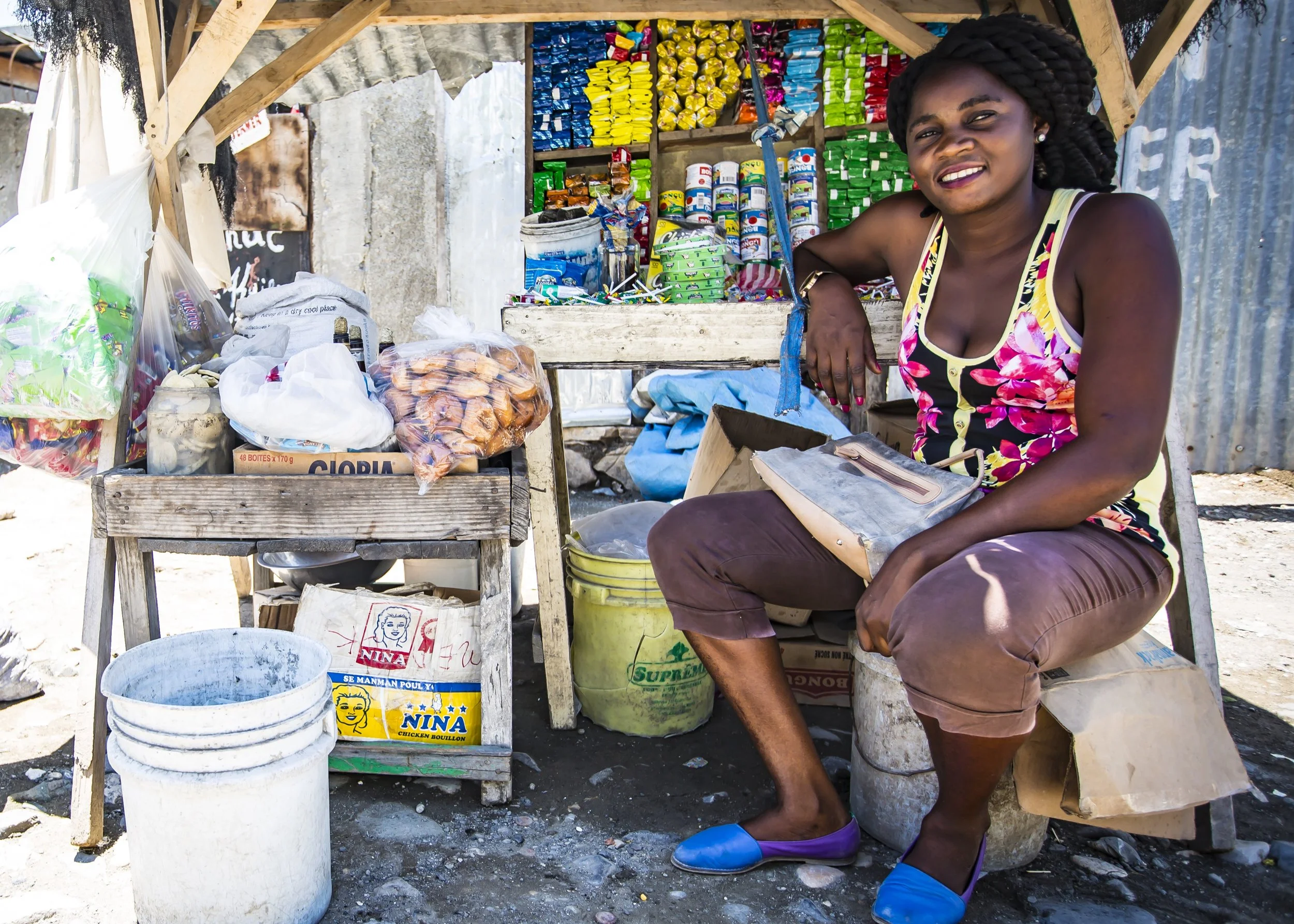
In rural Haiti, Mercy Corps Ventures is piloting stablecoin-based cash transfers to help vulnerable women access humanitarian aid more safely, efficiently, and transparently through digital wallets.
Mercy Corps Ventures, in partnership with Aleo, Humanity Link, and the Danish Refugee Council, is launching a first-of-its-kind pilot in Colombia using privacy-preserving stablecoin payments to deliver humanitarian cash assistance. By combining stablecoins with zero-knowledge proofs, the initiative aims to protect beneficiary data while improving the safety, efficiency, and accessibility of aid for displaced communities.
Selected from 230+ applications in 50+ countries, OPAL for Floods will pilot in Senegal, using AI, satellite imagery, and smart contracts to help Thiès and Grand Dakar act before floods.
In Afghanistan, Mercy Corps Ventures partnered with HesabPay and the Community Driven Development Organization to pilot stablecoin-based digital cash transfers reaching rural households in remote areas. The initiative aims to make aid faster, safer, and more transparent while empowering local organizations to deliver scalable, locally led humanitarian assistance.
In partnership with HesabPay and Pioneers Innovation, this pilot will use stablecoins to deliver faster, safer aid to farmers and agribusinesses in Northeast Syria reducing costs, improving transparency, and strengthening local food systems.
Endlines
In line with Impact Measurement & Management best practices, we transparently share successes and failures from our pilots, alongside key data. We hope that others can learn from our experiences, and use these case studies as proof points for further scale-up.

Mercy Corps Ventures shares new results from scaling a blockchain-enabled anticipatory cash transfer model in Kenya, showing how faster, more frequent payouts can improve financial resilience for pastoralist households facing climate stress.
How did stablecoin based aid perform in one of the most challenging environments for humanitarian delivery? This endline report shares the results of a digital cash pilot in eastern Afghanistan, where families used offline cards linked to stablecoin wallets for the first time. It outlines what worked, including cost reductions, faster delivery, and strong user preference, along with key operational lessons, gender barriers, and what these findings mean for scaling digital payments in low connectivity and high risk settings.
How can stablecoins improve the way aid reaches people in crisis? This piece explores a humanitarian cash pilot in Northeast Syria, where farmers received digital payments via stablecoin rails for the first time. You'll find how it worked in practice—from speed and cost gains to vendor hesitancy—plus firsthand insights from local participants, implementation lessons, and what this means for future aid delivery at scale.
In a conflict-affected region, Mercy Corps Ventures piloted stablecoin-based humanitarian aid transfers, achieving a 62% reduction in delivery time and 10.8% cost savings. The pilot demonstrated improved transparency, security, and reach—enabling 12% more recipients to be served. While challenges remain around off-ramping and scalability, the results show strong potential for using digital currencies to modernize aid delivery in complex settings.