
Why We Invested in Abeya | Powering traceable, regenerative trade from farm to factory
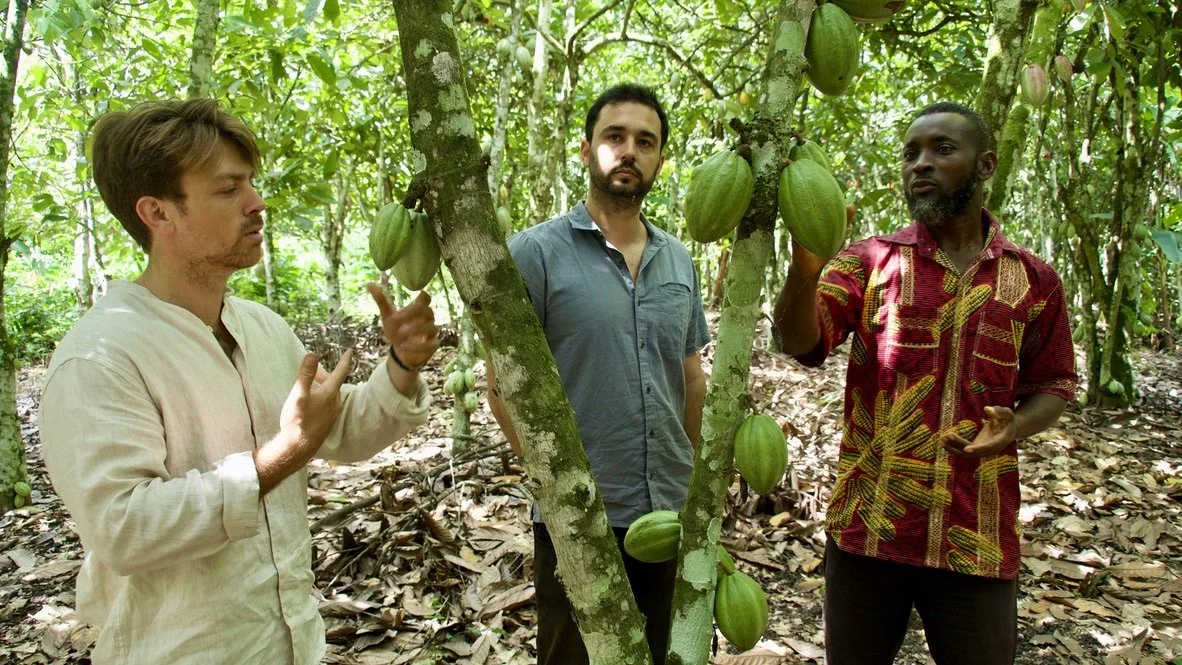
Image courtesy of Abeya
Chocolate has previously been described as happiness you can eat. Yet recent spikes in cocoa prices, driven by severe supply chain disruptions in West Africa, have left producers of your favorite snacks and beverages anything but happy as they shore up their supply chains. Their challenges are compounded by the looming enforcement of the European Union Deforestation Regulation (EUDR), a landmark policy that will require companies to prove that every coffee bean, cocoa pod, or palm oil product they source has not come from deforested land.
As supply chains grow more complex and geographically dispersed, producers must strengthen their ability to trace, verify, and manage sourcing risks. This demands robust technology that integrates remote sensing, documentation, and communication — exactly what Abeya is building.

Image couertesy of Abeya
THE MARKET NEED
Global commodity chains are sprawling and opaque. Cocoa, for instance, is mostly grown in West Africa, shipped to Europe for blending, then re-exported to chocolate brands worldwide. Despite efforts by major processors to buy directly from farmers, the multibillion-dollar industry still depends on layers of middlemen. The riskiest link lies with some “second buyers,” unregulated aggregators who purchase cocoa outside official channels. They offer farmers quicker cash and fewer taxes but often mix compliant and non-compliant beans. This blending undermines traceability, exposes brands to European deforestation-rule violations (EUDR), and threatens supply-chain credibility. In short, these specific second buyers fill a market gap, but they also represent one of the biggest compliance blind spots in cocoa sourcing.
Over the past decade, major chocolate brands have launched pilot programs to trace cocoa from farm to shelf, deploying QR codes, farmer databases, and blockchain experiments. Yet these initiatives often stall at scale. The reality is that big brands are not technology companies; their core strength lies in creating consistent taste and global distribution, not in building or maintaining complex traceability systems. Implementing new compliance tools requires training thousands of suppliers, changing entrenched procurement habits, and integrating fragmented data, all while ensuring that every chocolate bar still tastes exactly the same. For most, the European deforestation rules add another layer of operational complexity to an already fragile supply chain rather than a seamless path to accountability.
At the heart of this, farmers sit at the bottom of the cocoa value chain, yet shoulder most of its risk. Despite being the source of a $130 billion global chocolate industry, they typically earn only 6–7% of the retail price of a chocolate bar. This meager income leaves little room for investment in traceability tools, training, or farm mapping, all essential for meeting new regulations like the EUDR. As a result, those with the least influence and resources are the most exposed to exclusion from global supply chains. Without fairer compensation, smallholder farmers will remain unprepared and unfairly burdened by compliance demands.
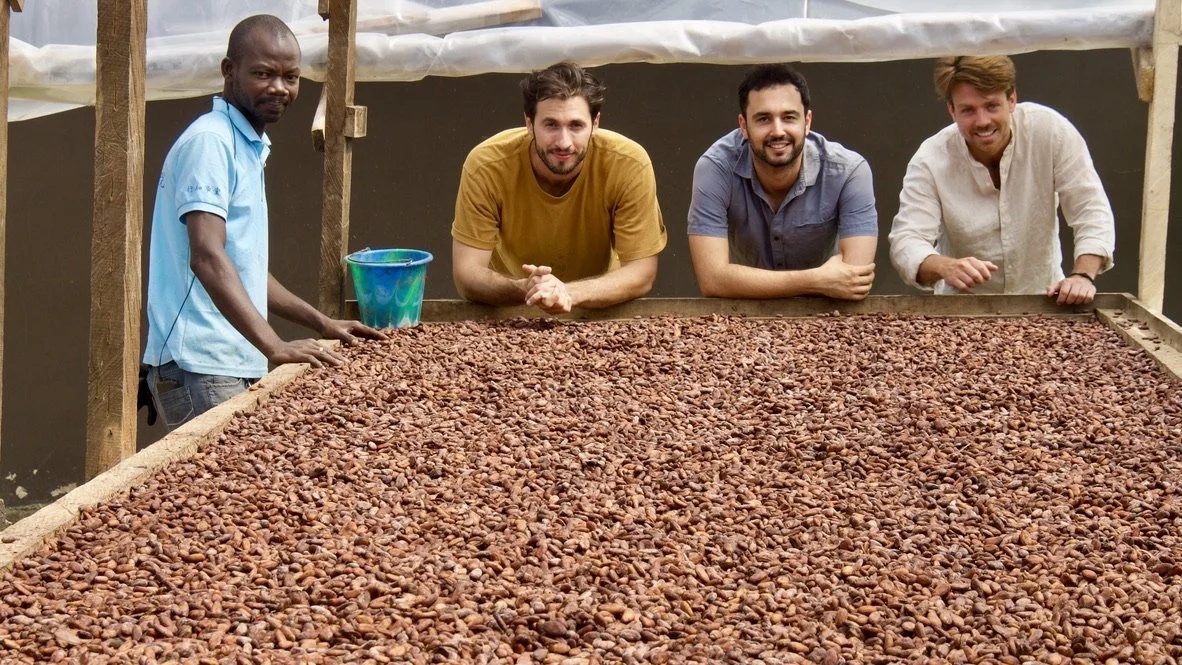
Image courtesy of Abeya
THE ABEYA SOLUTION
Abeya is providing CPG manufacturers with an all-encompassing solution for direct sourcing through more compliant channels, while protecting farmer margins and providing regenerative financing incentives. Abeya is an all-in-one platform for traceability, digital communications, remote sensing, certification, and compliance, leveraging satellite imagery and artificial intelligence.
Brands using Abeya can manage sourcing from farm to shipment in one place. They define sourcing preferences such as region, quality, and sustainability standards, and are connected to verified producers who meet those requirements. As crops move through the chain, Abeya ensures traceability and documentation, giving brands full visibility and simplifying compliance with regulations like the EUDR.
Abeya sources cocoa from West Africa for brands in Europe and the U.S., helping local producers capture more value. It is building an AI-powered trading platform that blends:
The speed and trust of an exchange — enabling fast, standardized transactions.
The flexibility of custom sourcing — meeting brand requirements like Fairtrade and regenerative farming.
Using Abeya, manufacturers and farmers cut multiple layers of middlemen, increasing farmer take by 6%, while adding a 4% regenerative incentive, ensuring more value flows directly to producers while promoting sustainable, traceable cocoa sourcing
Beyond today’s capabilities, Abeya is laying the groundwork for an agentic future, where AI agents autonomously monitor compliance, verify regenerative practices, and facilitate trusted transactions in real time. This evolution will make responsible sourcing both scalable and effortless, creating a more transparent, resilient, and equitable global supply chain.
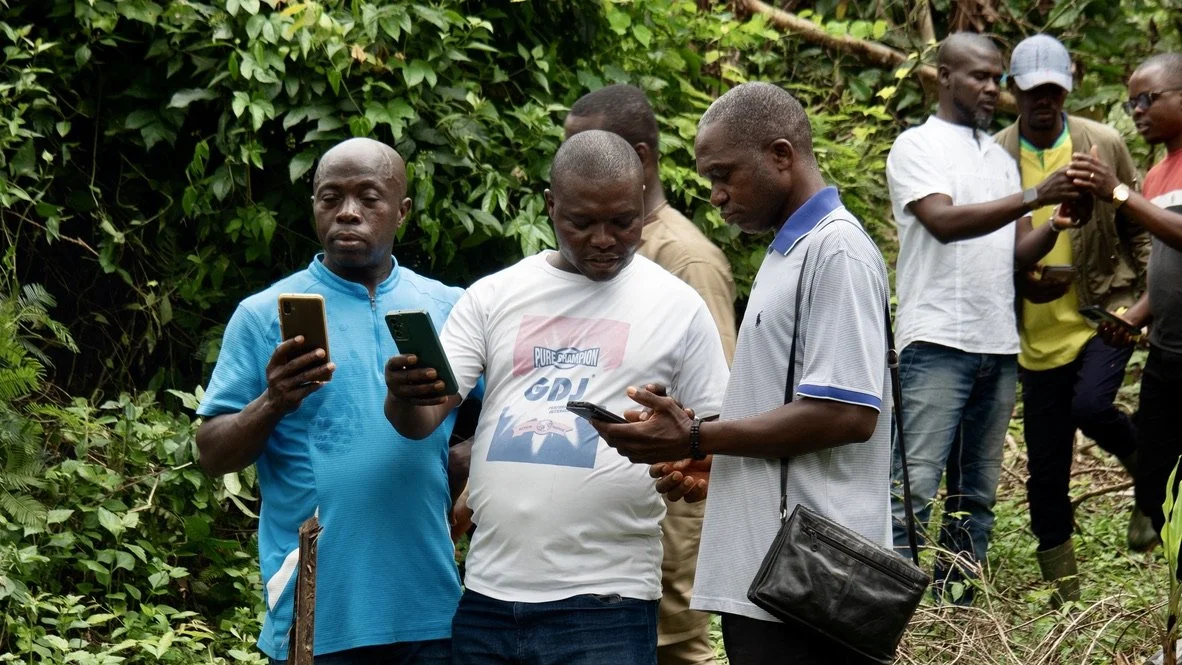
Image courtesy of Abeya
LINK TO THESIS
Abeya aligns closely with our focus on building inclusive, resilient, and climate-smart supply chains. Starting with the cocoa trade and expanding to coffee and other commodities, Abeya is transforming how agricultural value chains operate.
By digitizing sourcing and cutting out layers of intermediaries, it ensures more value flows directly to farmers while giving global buyers full visibility and traceability across their supply networks. Its AI-driven platform combines satellite data and real-time documentation to help producers meet emerging environmental standards like the EUDR. Beyond compliance, Abeya’s regenerative incentives promote sustainable farming and healthier ecosystems. We’re excited to support Abeya as it scales a model that blends technology, transparency, and farmer prosperity to shape the future of ethical commodity sourcing.
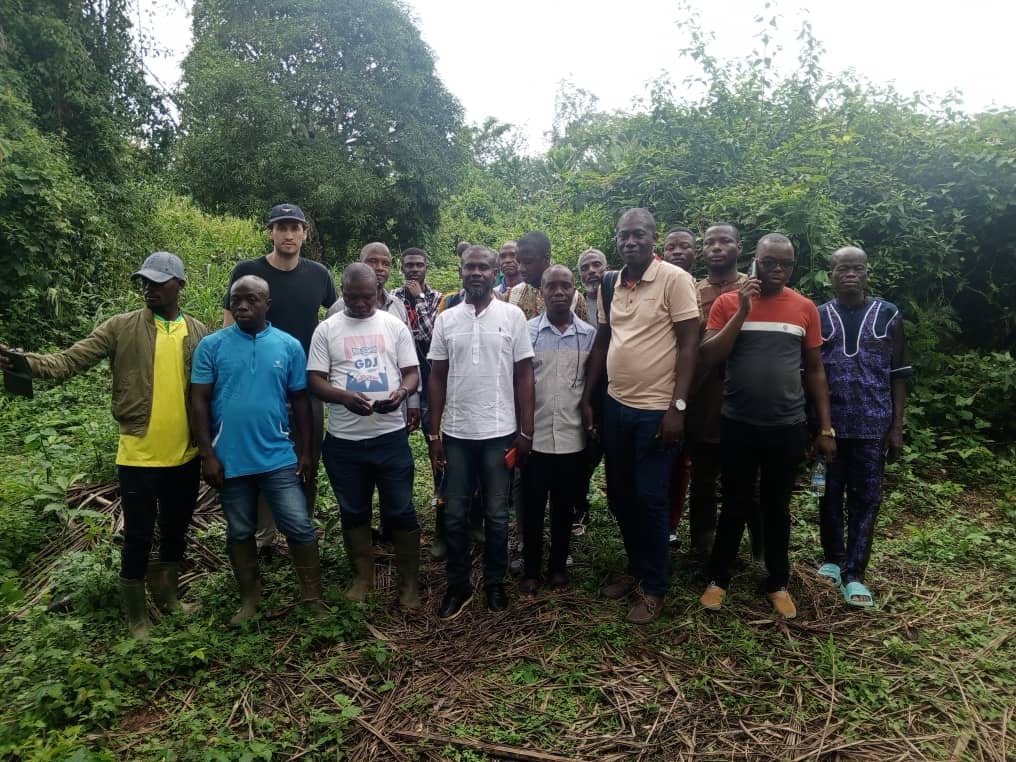
Image courtesy of Abeya
Stay tuned for more updates on our portfolio here