
Why We Invested in Atram | AI-Powered Disaster Resilience for the Businesses Climate Change Hits Hardest
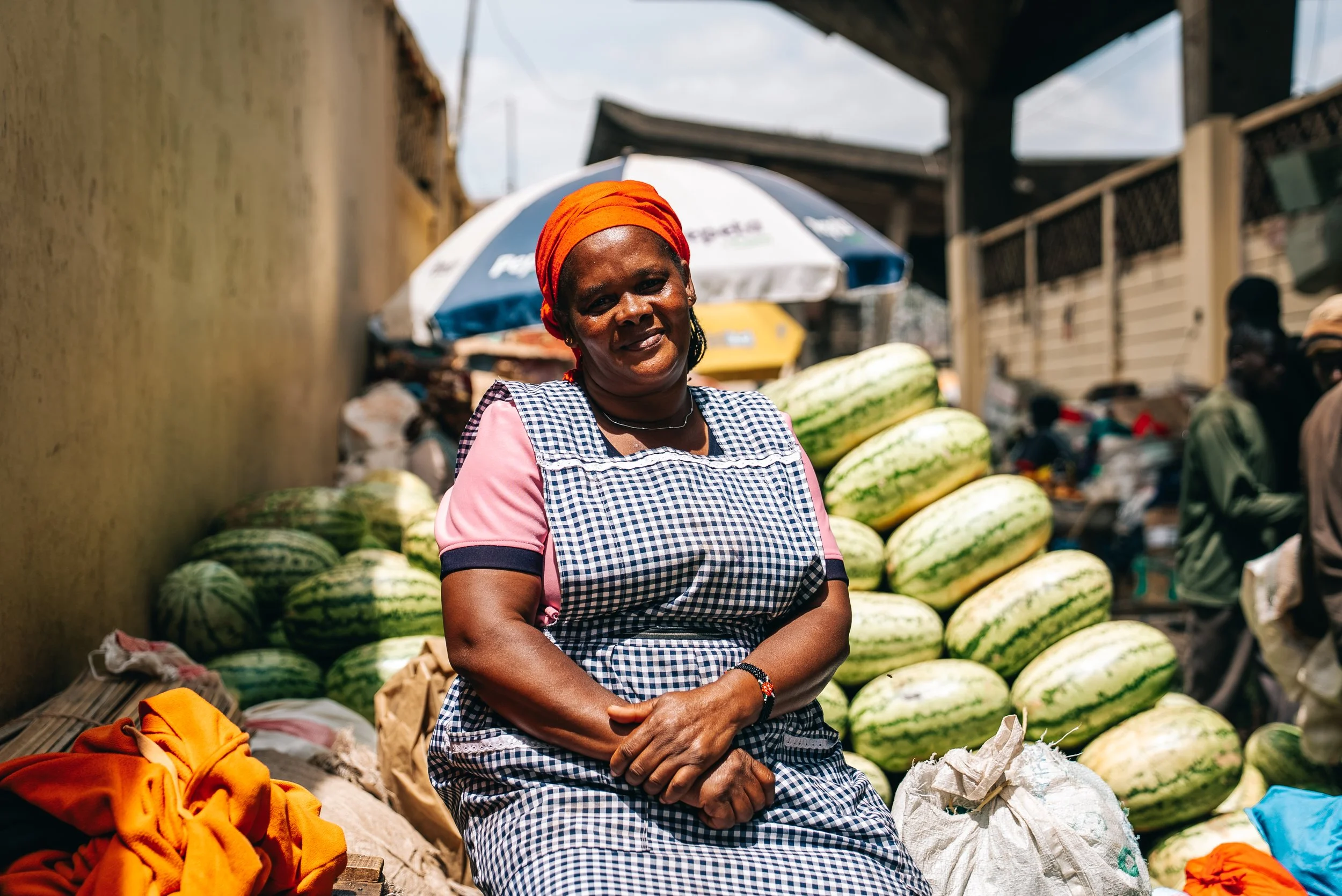
Small business owner in Nairobi, Kenya.
Written by Doreen Muthoni and Eugene Gikonyo.
Climate change is one of the biggest challenges of our time. Extreme weather events are becoming more frequent and more devastating for livelihoods and business. An example of this was the February 2026 Nairobi floods, which tore through the city with little warning. Hundreds of businesses were destroyed, with owners losing millions of shillings overnight, waking up to find their stock, their equipment, their livelihoods washed away. And yet, when the floodwaters receded, most MSMEs were left to rebuild entirely on their own, with no safety net and no way to absorb the shock. Now more than ever, there is a need for solutions that help small businesses prepare for climate shocks before they strike. Which is why we are proud to announce our investment in Atram's pre-seed extension round.
Link to Our Resilience Thesis
Atram aligns with our Climate-Smart Technologies thesis area, addressing the intersection of climate information services, inclusive fintech, and disaster resilience for informal merchants and small businesses. It is one of the rare investments that spans all three stages of our Climate Adaptation and Resilience (CAR) framework: Prepare, Adapt, and Recover and targets the population at the heart of our mandate: kiosk-based MSMEs, with a strong skew toward women-led businesses who are using the product, acting on it, and protecting their livelihoods because of it.
“The most important moment to support a small business through a climate disaster is before it happens. For most history, that window didn't exist — forecasts weren't good enough. Now they are. We're building the infrastructure to use it, enabling a new category: Extreme Weather Finance. MCV saw the importance of climate resilience finance years before the field had a name for it. That's exactly the kind of early conviction we want behind us.” David del Ser, Founder & CEO of Atram
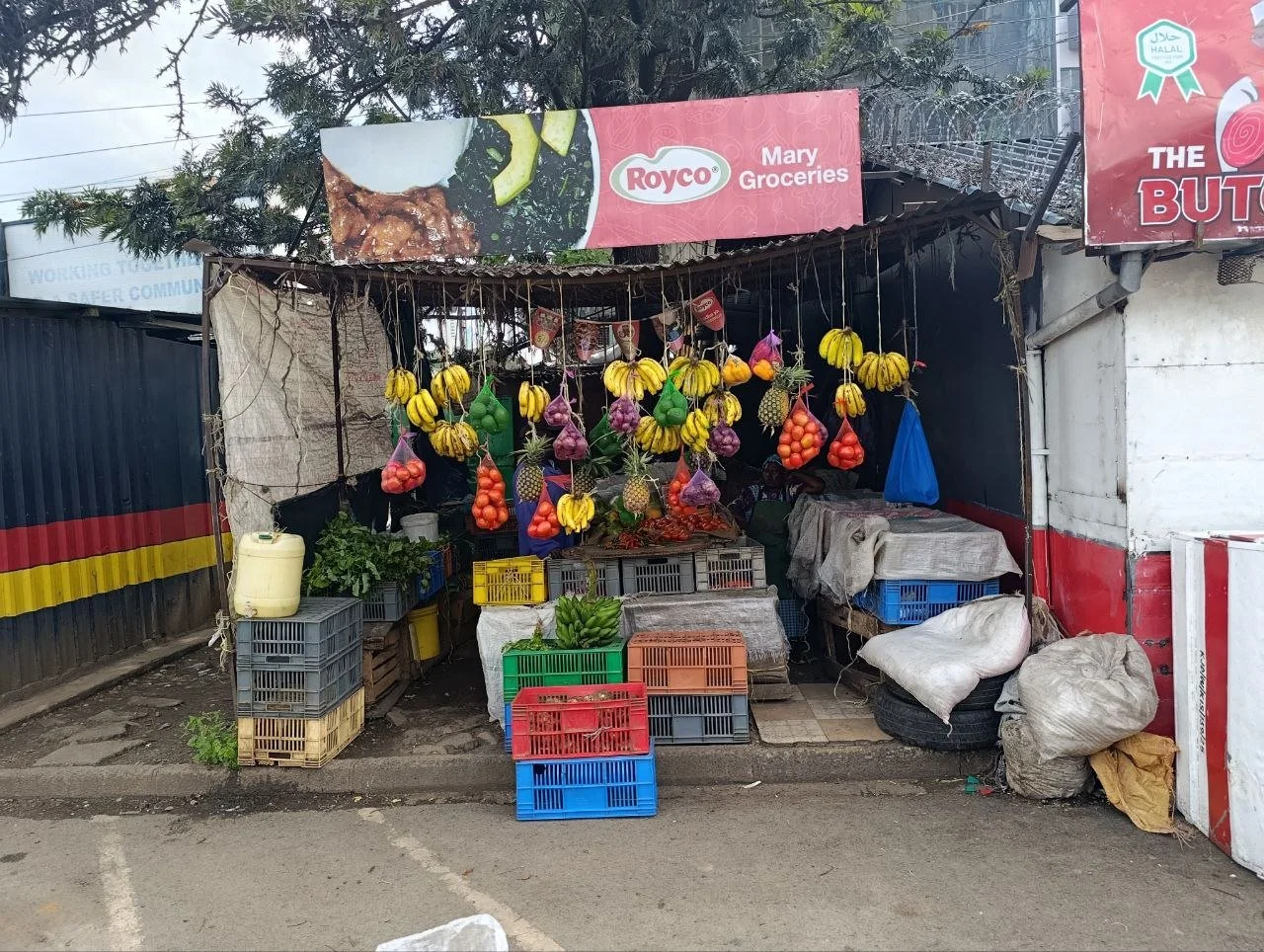
Kiosk-based MSMEs are among the businesses most exposed to climate-related disruptions.
The Market Need
Imagine you run a small kiosk in Nairobi's Westlands. Every morning you stock up on goods, serve your regulars, and manage a thin but reliable cash flow. Then a flood hits. In a matter of hours, your entire inventory is gone, your shop is unusable, and your loan repayment is due in two weeks. You have no insurance, no emergency credit lined up, and the government alert came too late, if it came at all. You rebuild from scratch, again.
This is the reality for millions of kiosk-based MSMEs across Sub-Saharan Africa and Latin America. These businesses make up over 70% of informal enterprises in SSA and face the brunt of climate shocks with almost no support infrastructure around them. Flood events alone reduce kiosk revenues by 20–30% and push up loan default rates, straining not just the business owners but the financial service providers (FSPs) who lend to them. For FSPs, these defaults aren't just numbers. Each unrecovered loan is a direct hit to portfolio performance, a branch closure decision, or a retreat from the very markets they were built to serve.
The problem is not just that climate shocks are intensifying. It is that neither MSMEs nor the financial institutions that serve them have the tools to manage that risk. FSPs can't price climate risk into lending decisions because they can't see it. They can't support borrowers through a crisis because they have no early warning capability. And as CGAP has documented, the easy response is simply to retreat from vulnerable clients entirely, closing branches in flood-prone areas and shrinking portfolios in the regions that need them most. The result is a system that is reactive by design, expensive for everyone, and increasingly unsustainable.
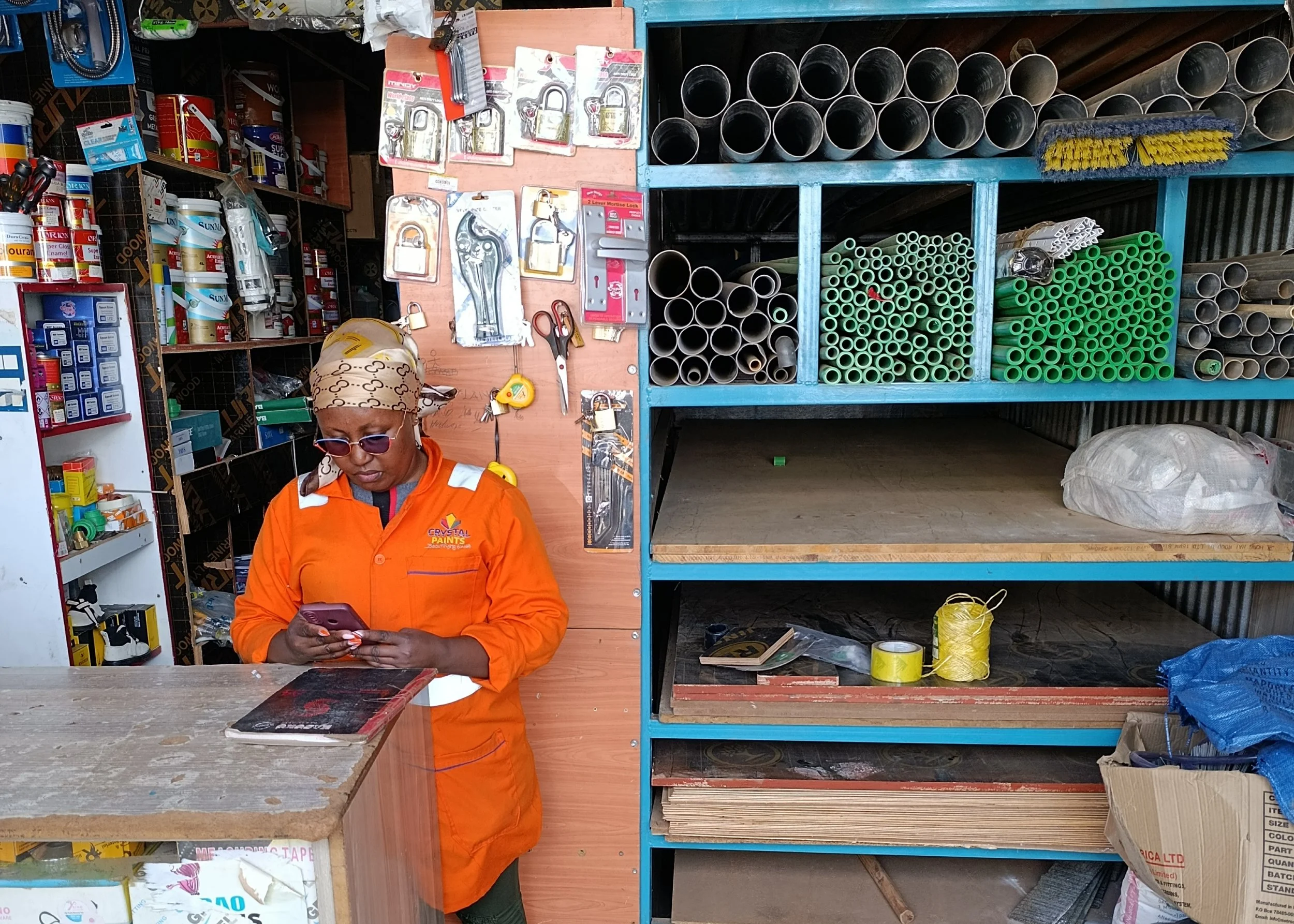
Atram delivers personalized weather alerts and risk information through channels merchants already use, including WhatsApp and SMS.
The Atram Solution
Atram is built around a simple insight: the best time to support a small business through a climate disaster is before it happens. What's remarkable is that Atram addresses all three stages of MCV's Climate Adaptation and Resilience (CAR) framework: Prepare, Adapt, and Recover within a single product.
In the Prepare phase, users receive personalized risk assessments and AI-driven early warnings, giving them days, not hours, to activate their contingency plans. During a crisis, the Adapt phase kicks in: users execute those plans with real-time guidance through an AI agent and access rapid financial liquidity. In the Recover phase, Atram supports damage assessment, facilitates access to recovery loans, and helps users navigate the stress of rebuilding.
What makes the delivery distinctive: is that the platform is embedded directly into FSP workflows, meeting users where they already are, without requiring anyone to download a new app. The primary interface is WhatsApp, supplemented by SMS and a lightweight web app, ensuring access even for users with limited connectivity or digital literacy. Alerts are hyper-localized, drawing on granular topographic and weather data, a meaningful step up from the generic, low-trust forecasts that currently dominate the market. The AI is also multimodal, able to interpret damage photos for post-disaster loan applications and respond to voice queries in multiple languages, capabilities already on the product roadmap.
For FSPs, Atram offers something beyond user protection: a way to actually see and manage their climate risk exposure. By embedding climate signals into their lending workflows, FSPs can make better decisions, reduce defaults, and stay in markets they might otherwise retreat from. As CGAP's Built to Adapt research highlights, FSPs that develop a proactive climate strategy are better positioned to serve climate-vulnerable clients sustainably. In sum, Atram enables FSPs to offer a new category of products for extreme weather finance.
The Early Results
The early results speak for themselves. In Atram's first Nairobi pilot in March 2025, 83% of users took action after receiving alerts, moving stock, pulling savings, and securing their businesses ahead of the floods. Over half said they would not have prepared at all without the alert.
By April 2026, Atram, operating a pilot through MCV's Venture Lab, was reaching over 10,500 Fortune Credit borrowers across Kenya. 74% of users prepared after receiving an alert, compared to just 54% in the control group. Among agricultural borrowers, 84% protected their stock or assets entirely. Average savings per preparer came in at $60 for SME users and $73 for agricultural borrowers.
"74% of users prepared after receiving an alert compared to 54% in the control group | Fortune Credit Post-Alert Survey, May 2026
Of the women in the pilot, who made up 59% of surveyed borrowers, the results are especially significant. These are business owners who received a warning days in advance, took action, and protected what they had built. That is what climate resilience looks like in practice.
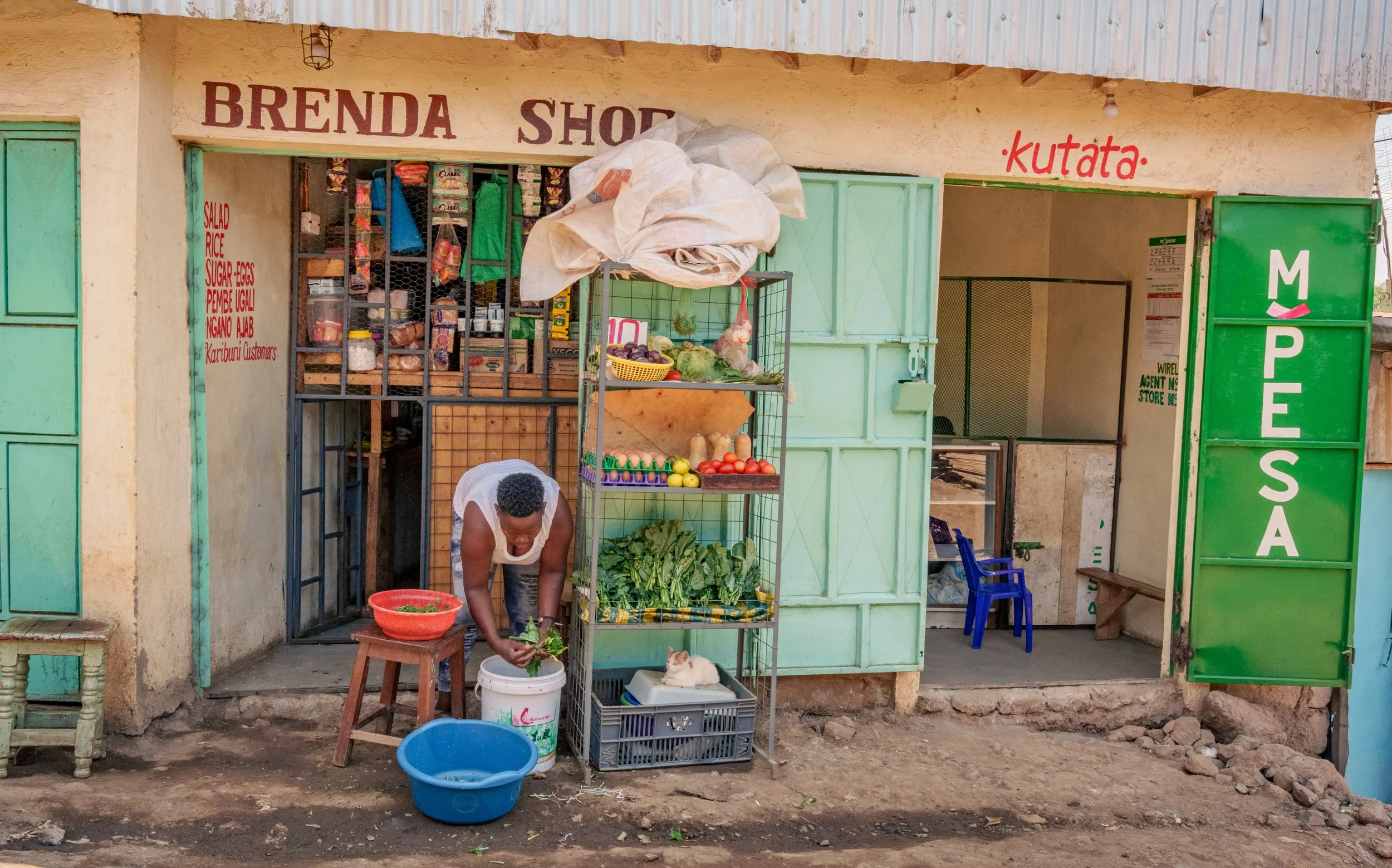
Small businesses need tools that help them prepare for climate disruptions before they happen.
Why We Invested
Atram sits squarely within our Climate-Smart Technologies thesis and our focus on Inclusive Climate Fintech for underserved populations. We have looked at a wide range of climate innovation products in this space, and a few things about Atram stand out.
First, the approach is genuinely new. Anticipatory action has long existed in humanitarian settings, but embedding it into the lending and advisory workflows of financial institutions, and building a commercial model around it, is a different thing entirely. Atram is building climate risk infrastructure for FSPs, the kind that improves portfolio performance while protecting the businesses at the end of the chain. In a field crowded with post-disaster response tools and standalone insurance products, Atram is one of the very few we have seen that intervenes before the flood hits and makes the FSP a genuine partner in that process.
Second, the demand-side validation is unusually strong for a company at this stage. A 98% stated demand rate from borrowers, near-perfect alert delivery, and real behavioral evidence of action and loss avoidance tell us this is not a solution in search of a problem.
Finally, the founder brings rare proximity to both sides of this challenge. David del Ser was the founding Co-Chair of the CIFAR Alliance (where he studied different types of products for climate innovation), spent nine years at BFA Global, and previously built Frogtek, a tech platform for kiosk-based retailers in Latin America. He understands climate adaptation and the operational realities of the MSME market in ways that are hard to replicate.
Mercy Corps Ventures is proud to back Atram at this early stage and look forward to the journey ahead.
Stay tuned for more updates on our portfolio here.